التنبؤ بالقيمة الدائمة للعميل: مفتاح تحقيق أرباح أعلى ونمو أكبر


Analysis, computation and Customer Lifetime Value prediction are essential facets of the business planning methodology of all financial institutions, including fintech companies. All fintech firms are required to invest time, money and effort in customer relationships to garner revenue and ensure the profitability of the entire enterprise.
في هذه المقالة، نغطي أهمية التنبؤ بقيمة عمر العميل (CLV)، وتحدياته، وكيف يمكن للتقنيات المتقدمة مثلتحليلات البيانات الضخمة وتعلم الآلة تُحدث النماذج تحولًا في دقة وفعالية الأنظمة والتوقعات المالية، مما يساعد المؤسسات في نهاية المطاف على تعظيم الأرباح والنمو.
ما هي القيمة الدائمة للعميل؟
Customer Lifetime Value (CLV) refers to the approximate profit that an organisation can derive from a customer over a well-defined period of time. The term ‘lifetime’ indicates that this value is calculated for all transactions throughout the relationship with a customer. However, in practice, CLV is computed for a period of anywhere between 1-5 years, depending on the requirements and plans of different organisations.
The customer acquisition plans and strategies of fintech companies must take into account the CLV attributed to different existing customers as well as groups. An accurate prediction of CLV has a tremendous role because it helps fintech companies segment customers using the quantified values that a specific group of customers is expected to add to company revenue.
لماذا ينبغي أن تعرف قيمة عمر العميل (CLV) لشرائح عملائك؟
CLV prediction also plays a vital role when it comes to selecting and promoting relevant services to different customer segments. When a financial institution is able to quantify the total expected profit that a customer can bring within a specific period of time, they can plan the expenses, and the time and effort that can be put in, proportional to the expected average profit of an active customer.
The marketing efforts and strategies of fintech companies can also become more effective when they factor in CLV because they will become aware of the expected profits. As a result, they can allocate marketing budget accordingly because there is no guesswork involved in preparing it.
يمكن لشركات التكنولوجيا المالية زيادة متوسط إيراداتها وأرباحها باستخدام قيم عمر العميل المتوقعة. ويمكنها تحديد العملاء الأكثر ربحية والاستثمار في اكتسابهم والاحتفاظ بهم.
CLV is useful for the present as well as future business strategies of fintech companies. Customers who are highly profitable now may not be at the same level in the future. Similarly, customers who aren’t contributing significant revenues now might become extremely profitable over time because of their expected career growth.
من خلال التحليل والتنبؤ عالي الجودة والدقة بالقيمة الدائمة للعميل (CLV)، يمكن لشركات التكنولوجيا المالية إيجاد المفتاح لتحقيق أرباح مستمرة ومتسقة.
اكتشف المزيد عن الحلول المبتكرة للقطاع المالي في تغطيتنا لاتجاهات الذكاء الاصطناعي في التمويل. >>
كيف تحسب القيمة الدائمة للعميل؟
On the surface, calculating and computing lifetime value of a customer seems to be a simple task. There are many methods available for calculating these figures. I’ll go through the most popular one below.
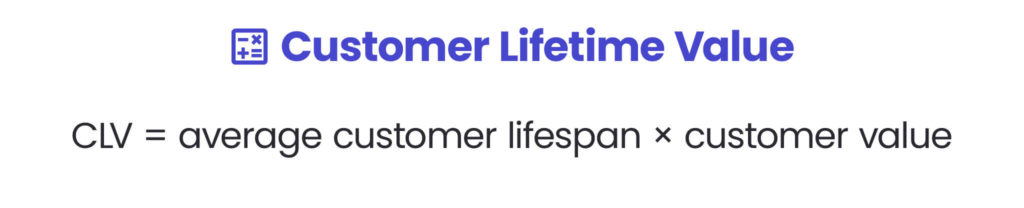
يمكن حساب القيمة الدائمة للعميل عند ضرب متوسط عمر العميل بقيمة العميل.
قبل أن تصل إلى تقدير هذا الرقم، دعنا نستعرض جميع المقاييس التي ستحتاجها.
متوسط عمر العميل
لحساب هذا الرقم، تحتاج إلى قسمة مجموع فترات حياة العملاء على عدد العملاء.
متوسط معدل تكرار الشراء
هذا النموذج أيضاً سهل التقدير – للقيام بذلك، اقسم عدد عمليات الشراء على عدد العملاء.
متوسط قيمة الشراء
يمكن حساب متوسط قيمة الشراء بقسمة إجمالي إيراداتك على عدد الطلبات.
قيمة العملاء
And yes, you can finally work out your customer value that will allow your customer lifetime value. To determine this number, you’ll need to divide the average purchase value by your average purchase frequency rate.
ها هو ذا، أنت الآن جاهز لحساب القيمة الدائمة للعميل. للقيام بذلك، اقسم متوسط عمر العميل على قيمة العميل.
Even this method is quite accurate in itself, the final result isn’t as relevant as it could be because quite often the accuracy of variables in these methods is questionable. At the same time, accurate analysis of CLV and formulating strategies after it’s established, is often a complicated task.
كما أنها لا تقربنا من الهدف الحقيقي في الأعمال: التنبؤ بالقيمة الدائمة للعميل.
ماذا لو أمكنك ليس فقط حساب القيمة الحالية لعميلك (CLV) لعملائك، بل أيضاً التنبؤ بها لكل من العملاء المستقبليين والحاليين من قطاعات مختلفة؟
هنا تصبح العملية معقدة.
المشكلات التي تواجهها شركات التكنولوجيا المالية في التنبؤ بالقيمة الدائمة للعميل
Even though some of these methods are accurate in themselves, their results aren’t as relevant as they could be because quite often the accuracy of variables in these methods is questionable. At the same time, accurate analysis of CLV and formulating strategies after it’s established, is often a complicated task.
في هذه المرحلة، يمكن إدخال تحليلات البيانات الضخمة ونموذج التعلم الآلي في الصورة لجعل حساب القيمة الدائمة للعميل (CLV) دقيقاً ومفيداً للأعمال.
فيما يلي بعض العيوب الرئيسية التي تؤدي إلى حساب أو استخدام غير دقيق لقيم CLV:
بيانات غير دقيقة للتنبؤ بقيمة عمر العميل
Depending on the method of calculation, different variables about customers and customer groups need to be utilised. Average Order Value (AOV), Purchase Frequency, Customer Churn Rate, Customer Lifetime, Repeat Rate, Customer Satisfaction and Customer Loyalty, among others, are the most frequently used metrics in the computation to predict Customer Lifetime Value.
If the quantitative data and numeric value of any of these metrics isn’t accurate, the results will never be correct. So, the use of data sciences and Big Data analytics to prepare such a machine learning model, can eliminate this drawback.
فصل غير سليم
After the calculation of CLVs, fintech companies need to focus on segmenting customers and groups based on profitability. It is vital that present, as well as future profitability, is taken into account for formulating strategies and defining the criteria for segmentation. Many financial institutions fail to get this done accurately.
تقدير الفترة الزمنية المثالية لحساب القيمة الدائمة للعميل
عند حساب القيمة الدائمة للعميل على فترات زمنية طويلة، قد لا تعكس الصورة الحقيقية. وينطبق الأمر ذاته على القيم الدائمة للعميل المحسوبة على فترات قصيرة للغاية.
Depending on the nature of business and the services to be offered, the time for which CLV is calculated needs to vary. FinTech companies need to focus on this aspect to a great extent if they want to enjoy all the planning benefits that they can get from the CLVs.
التخطيط لاستخدام القيمة الدائمة للعميل (CLV)
Even if you have accurate data and the CLV calculated is viable, implementing and incorporating it in practical business plans is essential. FinTech companies need to make use of the available information in the most viable and profitable fashion to garner optimum benefits.
ارتقِ بحلولك مع خبرتنا في تعلّم الآلة
اعرف المزيدكيف يمكن أن تكون تحليلات البيانات الضخمة مفيدة؟
أصبحت تحليلات البيانات الضخمة ونماذج التعلم الآلي تدريجياً جزءاً لا يتجزأ من حساب القيمة الدائمة للعميل والتنبؤ بها للأفراد والمجموعات والمؤسسات.
With the use of these methods, fintech companies can rest assured about the accuracy of all metrics used in the analysis and calculation of CLV. They can also shed light on the ideal categories for the segmentation of different customer groups. As a result, fintech companies can optimise the services they offer to these groups and segment the most profitable customers with ease.
Establishing the ideal time period for estimating CLV makes a significant difference to the eventual outcome. Big Data analysis can also ensure that financial institutions and fintech companies make use of the most viable and relevant time period at all times.
Notably, when CLV is calculated for different purposes the optimum time period may vary. For instance, if you want to use this data for marketing purposes and customer acquisition, a shorter time period is sufficient. For customer retention and optimising services, calculating CLVs over a longer period is more effective.
ستساعد تحليلات البيانات الضخمة في الاستفادة من المنهجية الصحيحة وفقًا لأهداف مؤسستك.
كيف تتعامل Spyrosoft مع القيمة الدائمة للعميل؟
إليك كيف يشرح ذلك توماش سمولارتشيك، رئيس قسم الذكاء الاصطناعي وتعلم الآلة لدينا:
إن خبرة Spyrosoft في تحليلات البيانات الضخمة ونماذج التعلم الآلي تجعلنا أصلًا قيمًا لجميع شركات التكنولوجيا المالية التي تبحث عن تنبؤات محسّنة لقيم عمر العميل.
As your service providers, we can guarantee the optimum level of accuracy in all the datasets used to determine the value of different metrics used in CLV calculation. Our team of professionals have proven their value when designing tools to process large volumes of data and in providing the highest standards of Big Data analytics services.
At Spyrosoft, we understand and acknowledge that different organisations require different methods for optimum analysis and computation of CLV. To prepare viable business strategies for different areas, slight adjustments are needed in the evaluation process of CLV, and we are always up to this challenge.
توقّع القيمة الدائمة للعميل بالاستعانة بخبراء التقنية
القيمة الدائمة للعميل (CLV) هي مقياس بالغ الأهمية للمؤسسات المالية وشركات التكنولوجيا المالية، إذ تتنبأ بالقيمة النقدية والربح الذي يمكن أن يحققه العملاء النشطون بمرور الوقت.
By using bespoke machine learning model and past data analysis to calculate Customer Lifetime Value, financial companies can optimise customer segmentation, better allocate marketing resources, and gain data-driven insights about high-value customers.
If you want to know more about how our AI and machine learning experts can help you predict Customer Lifetime Value (CLV) and leverage other innovations to boost your average revenue, check our offering page or contact us directly via the form below.
Customer lifetime value (CLV) estimates the total revenue a business can expect from a client throughout their relationship with the company. It helps organisations understand which clients bring the most long-term value and where to focus their efforts.
AI models analyse historical data such as purchase behaviour, engagement patterns, and transaction history. Based on these insights, the system predicts how likely a client is to make future purchases and what value they may generate over time.
CLV prediction supports better decision-making in areas such as marketing, sales, and client retention. When you understand which clients have the highest potential value, you can allocate resources more effectively and personalise engagement strategies.
Typical data sources include purchase history, customer interactions, demographics, product usage, and marketing engagement metrics. The quality and completeness of the data play a key role in the accuracy of the predictions.
By identifying high-value clients and segments, businesses can tailor campaigns, optimise acquisition costs, and design more effective loyalty programmes. This approach helps increase retention and maximise long-term revenue.
Common challenges include data fragmentation, limited data quality, and integrating predictive models into existing business processes. Successful projects require collaboration between data specialists, technology teams, and business stakeholders.




arrow_circle_rightاتصل بنا
استفد من الذكاء الاصطناعي لتحقيق ميزة تنافسية. تواصل مع خبيرنا لمناقشة احتياجاتك.

Tomasz Smolarczyk
مدير الذكاء الاصطناعي
arrow_circle_right مدونتنا