MCP مقابل A2A مقابل LangChain Agent Protocol: كيف تشكّل قابلية التشغيل البيني للوكلاء


AI agents are rapidly evolving from isolated tools into active participants in enterprise workflows. As organisations deploy more agents – each specialised in tasks like analysis, routing, compliance, or communication – the need for interoperability becomes critical.
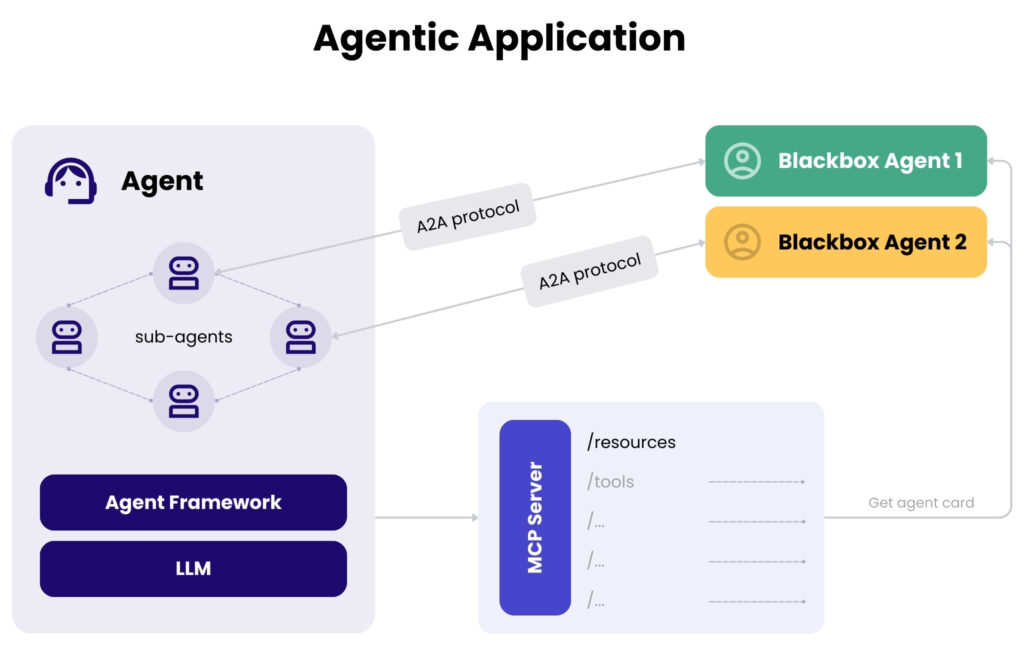
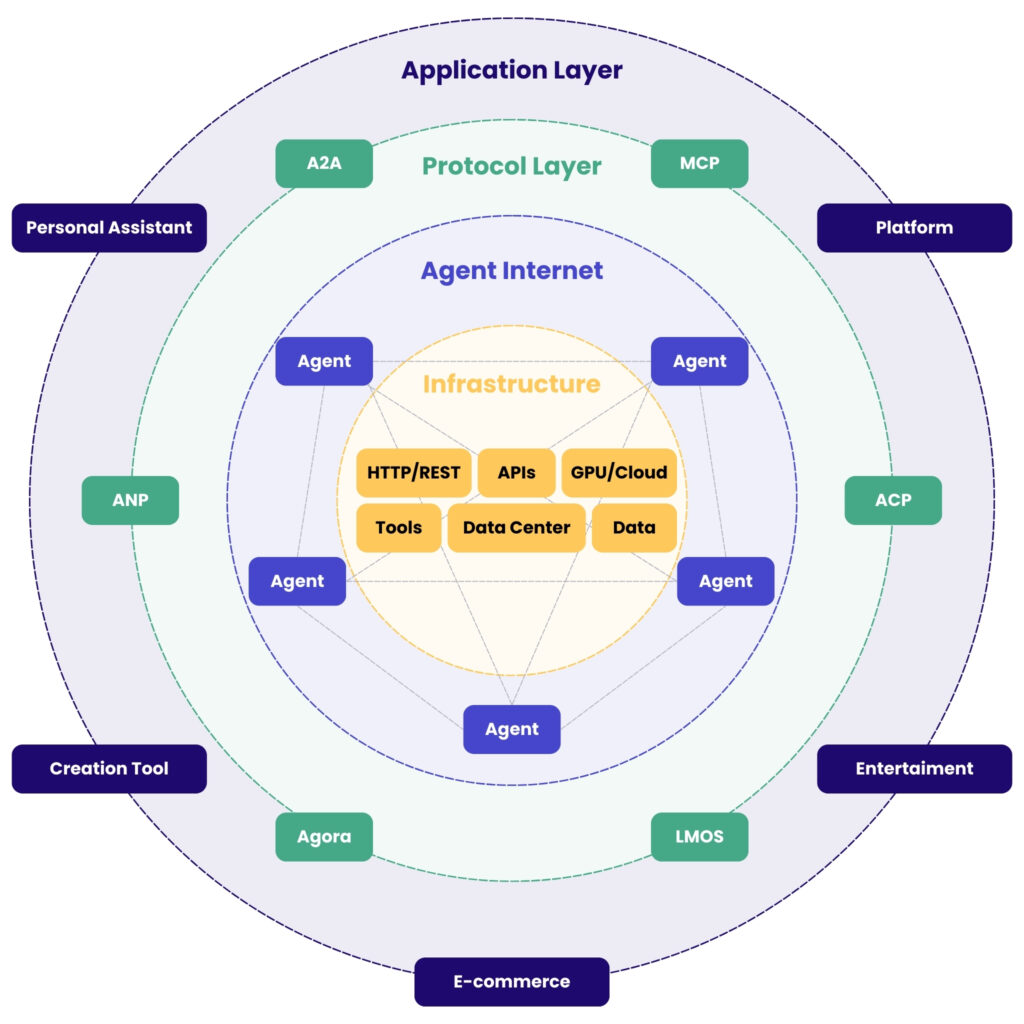
تهيمن ثلاث معايير مفتوحة رئيسية على هذا المشهد اليوم:
- Google Agent2Agent (A2A): يتيح A2A لوكلاء الذكاء الاصطناعي التواصل وتفويض المهام والتعاون مباشرة مع بعضهم البعض عبر الأنظمة.
- بروتوكول سياق النموذج (MCP) من Anthropic: يوحد MCP كيفية وصول وكلاء الذكاء الاصطناعي إلى الأدوات الخارجية والتطبيقات وبيانات المؤسسة.
- بروتوكول LangChain Agent: يحدد بروتوكول LangChain Agent واجهة REST API موحدة لنشر واستدعاء وكلاء الذكاء الاصطناعي كخدمات.
لماذا يوجد كل بروتوكول
لماذا وُجد A2A: التعاون بين الوكلاء
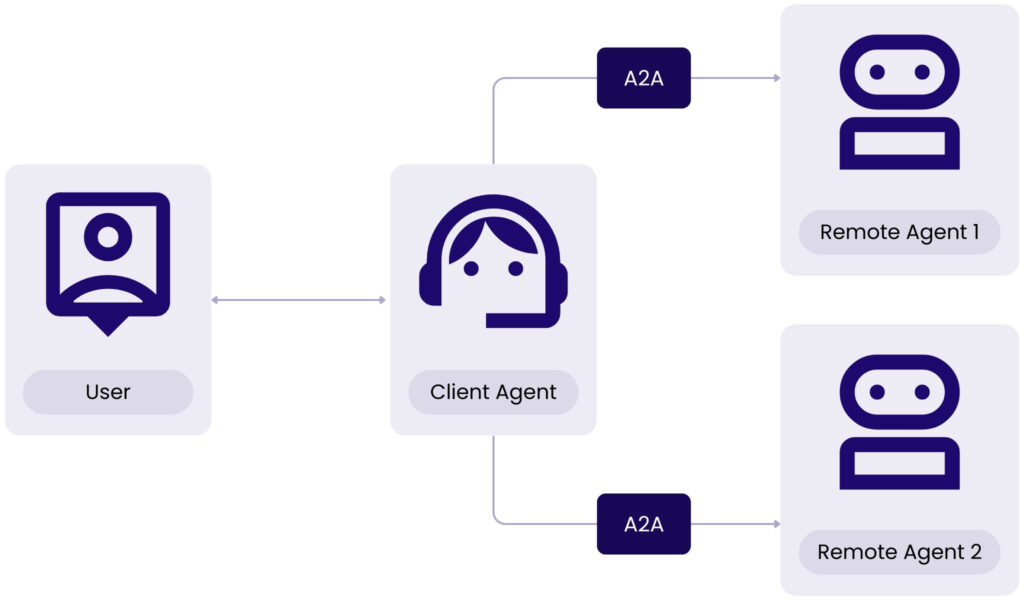
مع تحوّل الشركات نحو أنظمة الوكلاء المتعددين، يجب أن يكون الوكلاء قادرين على التحدث مع بعضهم البعض وتبادل المعلومات وتمرير العمل. ويوفر A2A النسيج الاتصالي الذي يجعل ذلك ممكناً.
It uses standard web technologies such as HTTP and JSON-RPC to enable task delegation, capability discovery, and real-time status updates. In practice, A2A functions like a messaging layer for AI agents, ensuring they can coordinate effectively without custom integration work.
فكّر فيه كطبقة مراسلة لوكلاء الذكاء الاصطناعي.
لماذا يوجد MCP: التكامل بين الوكيل والبيانات
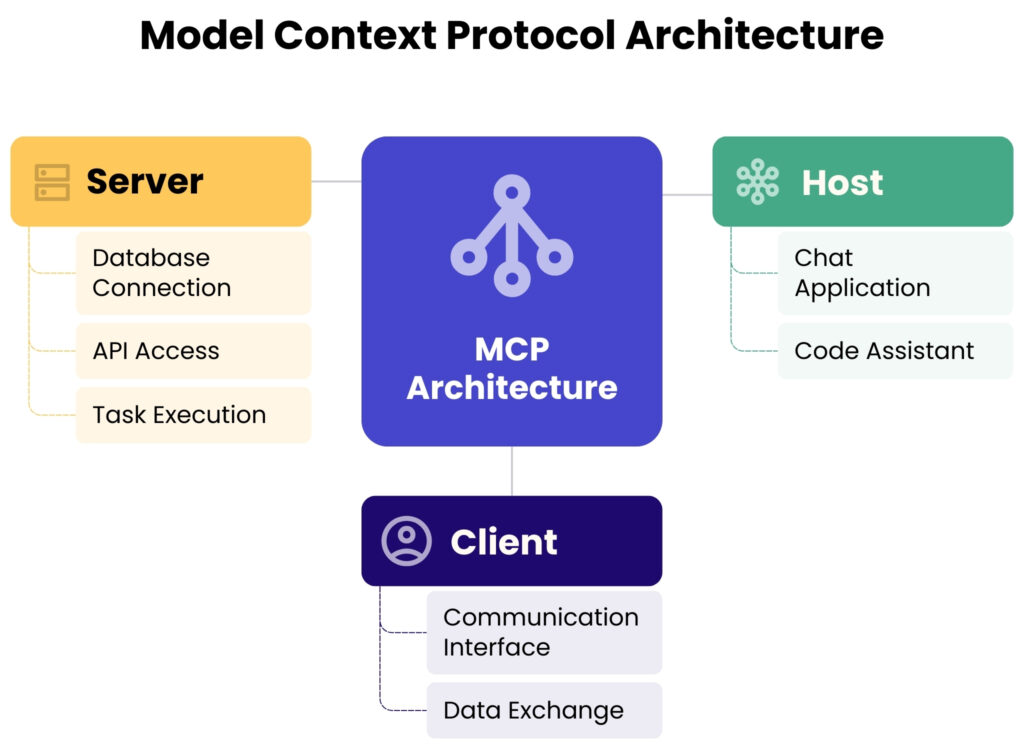
لا تمتلك النماذج اللغوية الكبيرة بطبيعتها إمكانية الوصول إلى أنظمة المؤسسات.
يحل MCP هذه المشكلة من خلال العمل كمحول عالمي، مما يسمح للوكيل بسحب البيانات أو قراءة الملفات أو الوصول إلى قواعد البيانات أو تنفيذ الإجراءات باستخدام مخطط متسق.
With MCP, any tool can expose its functionality through a simple JSON-RPC interface, and any agent can use that interface without bespoke integration code. It effectively gives agents the “eyes and hands” needed to operate within enterprise ecosystems safely and reliably.
فكّر في MCP كأنه يمنح الوكلاء عيوناً وأيدٍ داخل مؤسستك.
لماذا يوجد بروتوكول الوكيل: نشر الوكيل كخدمة
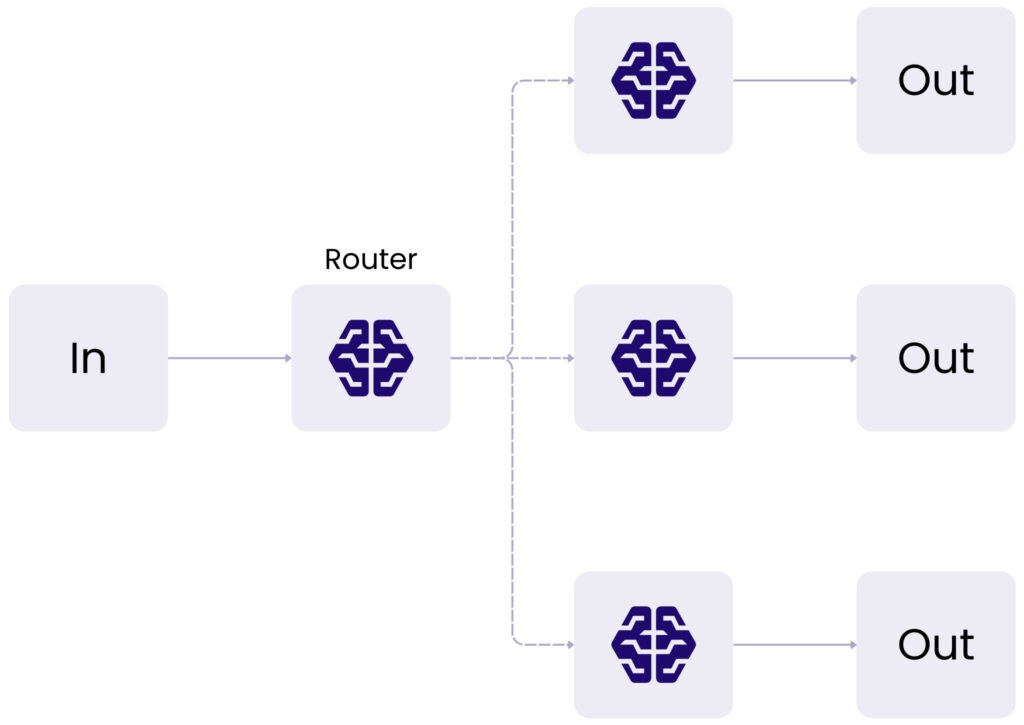
Enterprises need a predictable way to run and manage agents in production environments. LangChain’s Agent Protocol standardises how agents receive tasks, stream results, persist state, and expose metadata about their capabilities.
It also introduces concepts such as threads, runs, and memory that make multi-step interactions more robust. This protocol turns an agent into a reliable, API-driven service that can be invoked by any system: frontend, backend, or another agent.
فكّر فيه كالغلاف التشغيلي الذي يجعل أي وكيل "جاهزاً للاستخدام الفوري".
الفروقات الجوهرية موضحة ببساطة
| البروتوكول | يحل هذه المشكلة | الأفضل لـ | تشبيه بسيط |
| A2A | وكلاء يتحدثون مع وكلاء آخرين | سير عمل التعاون متعدد الوكلاء | Slack للوكلاء |
| اثنان | وصول الوكلاء إلى الأدوات والبيانات | تكاملات المؤسسات | USB-C للأنظمة الخارجية |
| بروتوكول الوكيل | الوكلاء الذكيون الذين يتم نشرهم كخدمات | وصول الوكيل عبر واجهات برمجة التطبيقات | مواصفات API للوكلاء |
متى تستخدم أياً منها (قاعدة الثلاثة)
يُعد A2A الخيار الصحيح عندما تحتاج وكلاء متعددون إلى التعاون أو عندما يجب أن تنتقل المهام بسلاسة بينهم.
وهو يدعم التفويض القائم على الأدوار، على سبيل المثال، عندما يستعين وكيل التخطيط بوكيل بحث أو عندما يسلّم وكيل المبيعات العمل إلى وكيل تسويق.
MCP becomes essential when an agent must interact with internal systems such as CRMs, databases, cloud storage, or operational logs. Instead of building custom integrations for each system, MCP provides an abstraction that works everywhere in the same way.
Agent Protocol is ideal when agents must be invoked as services. Applications, orchestrators, and other agents can call them in a predictable, standardised manner using well-defined endpoints. This reduces operational complexity and makes production deployments more maintainable.
كيف تتكامل معاً في مؤسسة حقيقية
غالباً ما تستخدم بنية وكيل الذكاء الاصطناعي القوية الثلاثة جميعها:
- بروتوكول MCP للوصول إلى الأدوات والبيانات
- A2A لتنسيق المهام بين الوكلاء
- بروتوكول الوكيل لإتاحة كل وكيل كخدمة موحدة المعايير
مثال على سير عمل بسيط:
- يطلب المستخدم تقريراً من وكيل تحليلات.
- يستخدم وكيل التحليلات بروتوكول MCP لجلب بيانات CRM والبيانات المالية المحدّثة.
- يستخدم A2A لتفويض مهام التصوّر المرئي إلى وكيل توليد الرسوم البيانية.
- يتم نشر كل وكيل عبر بروتوكول الوكيل (Agent Protocol)، بحيث يمكن لواجهة المستخدم استدعاؤها بشكل متسق.
- تُبَث النتائج مرة أخرى إلى المستخدم.
هذا المزيج يمنح المؤسسات المرونة وقابلية إعادة الاستخدام وبنية جاهزة للمستقبل.
تأكد من الاطلاع على مقالنا حول المؤسسات القائمة على الوكلاءوكيف يطبّقون الذكاء الاصطناعي، وأين يواجهون صعوبات.
دراسة حالة: من تصميم Figma إلى الهيكل الأساسي للتطبيق
مثال واقعي على هذه البنية يأتي من استخدام MCP لأتمتة تحويل تصميمات واجهة المستخدم إلى كود قابل للتشغيل.
Through an MCP-enabled integration with Figma, an agent can access a project URL and automatically interpret screens, components, and visual styles. It reads the structure of the design, including color palettes, layout hierarchies, and reusable patterns, and then generates complete QML components. These include a singleton defining the project’s color scheme and individual files for each detected control.
The result is an end-to-end workflow where a graphical design becomes a ready-to-use application skeleton enriched with a suggested main QML file and configuration guidance. Thanks to MCP, the entire process can be executed through a single command, allowing multi-step tasks, such as design analysis, component extraction, and code generation, to unfold seamlessly.
وهذا يسرّع تطوير واجهة المستخدم بشكل كبير ويقلل العمل اليدوي المطلوب عادةً لتحويل التصاميم إلى كود وظيفي.
اعرف المزيد عن الذكاء الاصطناعي وتعلم الآلة الخدمات.
الملخص: ثلاث لبنات بناء متكاملة
A2A, MCP, and LangChain’s Agent Protocol each address a different part of the agent ecosystem. A2A ensures that agents can communicate and collaborate. MCP gives them access to tools and enterprise data. Agent Protocol provides a consistent API to deploy, manage, and interact with agents in production environments.
Rather than competing, these standards work best when combined. Together, they form a strong foundation for building scalable, interoperable, and future-proof AI systems that can operate reliably within enterprise constraints.




لنناقش كيف يمكننا دعم مشاريعك في مجال الذكاء الاصطناعي

Tomasz Smolarczyk
مدير الذكاء الاصطناعي