من المصنع إلى الجناح: تنسيق لوجستيات المحركات بالذكاء الاصطناعي


It’s Monday morning at a maintenance facility outside Paris. The shop floor is ready, technicians are briefed, and the incoming engine is expected to arrive any minute. But it doesn’t arrive. It’s still sitting in a warehouse near Prague, waiting for export clearance. The fan blades? Already here, delivered early thanks to an auto-scheduled shipment that didn’t align with the engine’s actual transit timeline. So now the parts sit idle, the shop crew waits, and yet another job is delayed – just because of the lack of coordination, costing thousands every hour.
حالات كهذه ليست نادرة. إنها تحدث كل يوم، في جميع أنحاء العالم.
It’s a familiar failure in modern engine logistics: all systems are functioning, but coordination is lacking. A customs delay here, a missed shipment window there, and suddenly your carefully planned operation collapses.
In this article, we explore how AI changes this dynamic. Not only does it describe what’s happening across the supply chain, but it actively coordinates it as well. You’ll see that a shift toward a smarter future is possible – one where data doesn’t just inform but connects, anticipates, and drives action.
الواقع عالي المخاطر في لوجستيات المحركات
تتحدث العديد من الصناعات عن التعقيد والضغط. في لوجستيات محركات الطيران، هذا هو الأساس – ولا يوجد أي هامش للخطأ.
تمرّ كل وحدة عبر متاهة من أطراف متعددة: OEMs, Tier 1 and Tier 2 suppliers, MRO shops, airlines, freight operators, airport authorities, and customs officials. Each has its own regulatory requirements, legal frameworks, and digital systems.
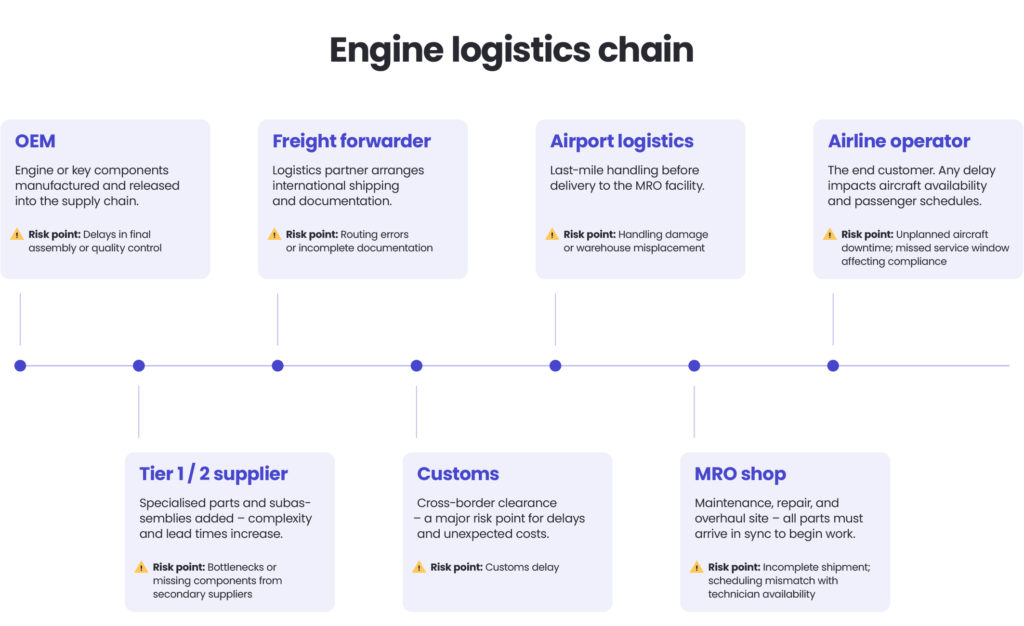
قد يؤدي هذا التعقيد إلى مشكلات:
- قد تصل المحركات قبل أن تكون أرضية المصنع جاهزة لاستقبالها.
- قد يتم تسليم قطع غيار خاطئة، أو قد لا يتم تسليم القطع الصحيحة.
- قد تُفوَّت فترات الصيانة، مما يجعل الفنيين غير متاحين عند الحاجة إليهم لاحقاً.
- تبقى الطائرات على الأرض في انتظار مكوّن واحد مفقود.
هذا هو الواقع اليومي لمنظومة لوجستية مجزأة. McKinsey يصفها بأنها "اضطراب مستمر" في سلاسل التوريد بقطاع الطيران: فترات تسليم طويلة، وطاقة احتياطية محدودة، وعدم قابلية للتنبؤ مزمنة لم تنتهِ مع الجائحة.
وبينما يكون الألم مشتركاً، لا يتحكم أي طرف واحد في الصورة الكاملة. فمصنّعو المعدات الأصلية ومراكز الصيانة والإصلاح والعمرة وشركاء الخدمات اللوجستية يديرون جميعاً أجزاء مختلفة من العملية.
Real transformation requires shared incentives, engagement, mutual visibility, and platforms designed to benefit every player in the chain. We know it’s a complex challenge – but not an unsolvable one.
The message is clear: the industry doesn’t just need faster shipping or better tracking. It needs a proactive, intelligent operating model. One that sees across silos, anticipates risks, and keeps everything (and everyone) in sync.
لماذا لا تنجح التنسيقية إلا عندما يفوز الجميع
والأهم من ذلك، لا يمكن لأي جهة معنية بمفردها تحويل سلسلة توريد الطيران. The system is too interconnected and too interdependent. An engine delay in one facility creates a cascading effect on multiple partners. Therefore, orchestration only works when the entire ecosystem is aligned.
That’s why collaboration must be built into the system from day one, rather than added as an afterthought. Without shared visibility, synchronised timelines, and aligned incentives, even the most advanced AI can’t fix a fragmented process.
لنبنِ معاً خدمات لوجستية أفضل للمحركات
أخبرنا عن التحديات التي تواجهك
In traditional aerospace logistics, each participant (OEMs, MROs, freight forwarders, customs, airlines) tends to optimise for their own KPIs. When logistics orchestration enters the picture, every link in the chain must have a reason to pull in the same direction. The win condition becomes: everyone must stay in sync and deliver on time.
إذن، كيف يمكن تحقيق ذلك عملياً؟
يجب أن يستفيد جميع أصحاب المصلحة من التنسيق. وهذا يعني:
- تضمين التعاون في العقود – for example, introducing shared service level agreements (SLAs) among OEMs, MROs, and logistics providers that measure collective outcomes (like end-to-end turnaround time or engine downtime reduction), instead of focusing on isolated tasks.
- إنشاء بيئات بيانات آمنة حيث يمكن مشاركة المعلومات الحساسة (صحة المحرك، توقيت الشحن، التوافر) بشكل انتقائي، مع مسارات تدقيق كاملة ووصول قائم على الأدوار.
- إنشاء نماذج الحوكمة للإشراف المشترك على جهود التنسيق وتتبع التقدم والتحسين المستمر لعمليات التنسيق.
- تقديم هياكل حوافز تكافئ النجاح المشترك – على سبيل المثال غرامات التأخير التي تؤثر على مؤشرات الأداء الرئيسية المشتركة.
كيف تبدو لوجستيات المحركات المدعومة بالذكاء الاصطناعي حقاً
What if every stakeholder in the engine logistics chain could operate from a shared, intelligent source of truth? Not just tracking events as they happen, but anticipating what’s coming and adjusting in real-time. This is what next-generation logistics orchestration makes possible.
By integrating a wide range of data sources (from IoT sensors, GPS tags, ERP records, airline schedules, MRO slots, weather patterns, and customs data) AI-powered logistics creates an end-to-end understanding of engine movement across teams, borders, and time zones. It shows where things are, where they’re going, and what might get in the way.
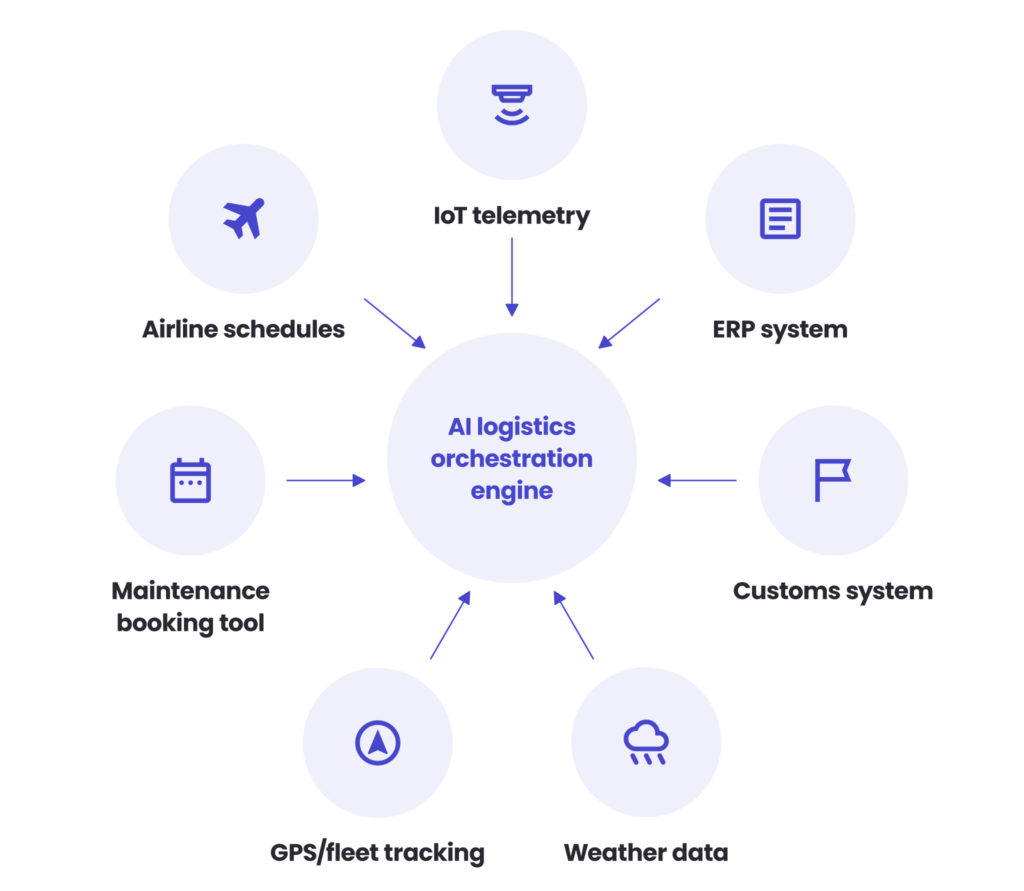
Behind the scenes, this is made possible by a stack of interconnected technologies – including RFID tracking, 5G connectivity, edge computing, and cloud-based API integrations – that ensure data flows seamlessly and decisions are made in real-time.
However, the visibility is only the beginning. The real strength lies in anticipation. AI can detect early signs of disruption by recognising patterns, and then trigger an appropriate action. For example, it might reroute an engine days before a delay occurs or automatically trigger contingency plans across different time zones.
وفقًا لماكينزي، يمكن لسلاسل التوريد التي تستخدم التنبؤ بالمخاطر القائم على الذكاء الاصطناعي أن تقلل تأثير الاضطرابات بنسبة تصل إلى 30%.
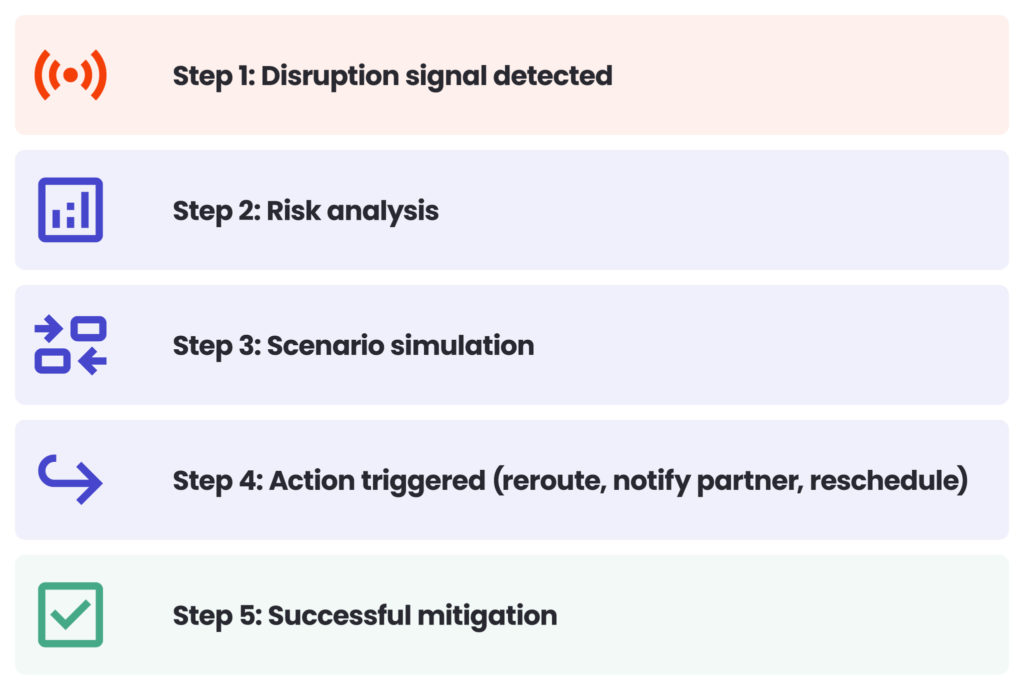
The true value? Logistics that proactively think ahead – simulating scenarios, forecasting outcomes, and initiating response actions. This transition from descriptive dashboards to predictive engines is what’s transforming aerospace logistics.
الصيانة التنبؤية تلتقي باللوجستيات التنبؤية
لقد غيّرت الصيانة التنبؤية بالفعل الطريقة التي تنظر بها شركات الطيران ومنظمات الصيانة والإصلاح والعمرة إلى صحة المحركات. ماذا لو تمكنا من تطبيق هذه الذكاء نفسه عبر سلسلة الخدمات اللوجستية بأكملها؟
Imagine a world where every performance anomaly and subtle deviation in engine behaviour directly informs supply chain planning – not merely as a data point to be analysed later, but as a trigger for real-time action.
التوائم الرقمية تجعل ذلك ممكناً. تحاكي هذه النسخ الافتراضية للمحركات الفعلية التآكل، وتتتبع أنماط الاستخدام، وتتنبأ بالأعطال المحتملة بدقة ملحوظة.
على سبيل المثال، GE Aerospace uses digital twin models to predict the need for replacement parts months in advance. This insight allows for just-in-time shipping of parts, precise booking of maintenance slots, reduced engine downtime, and optimised workloads across various facilities.
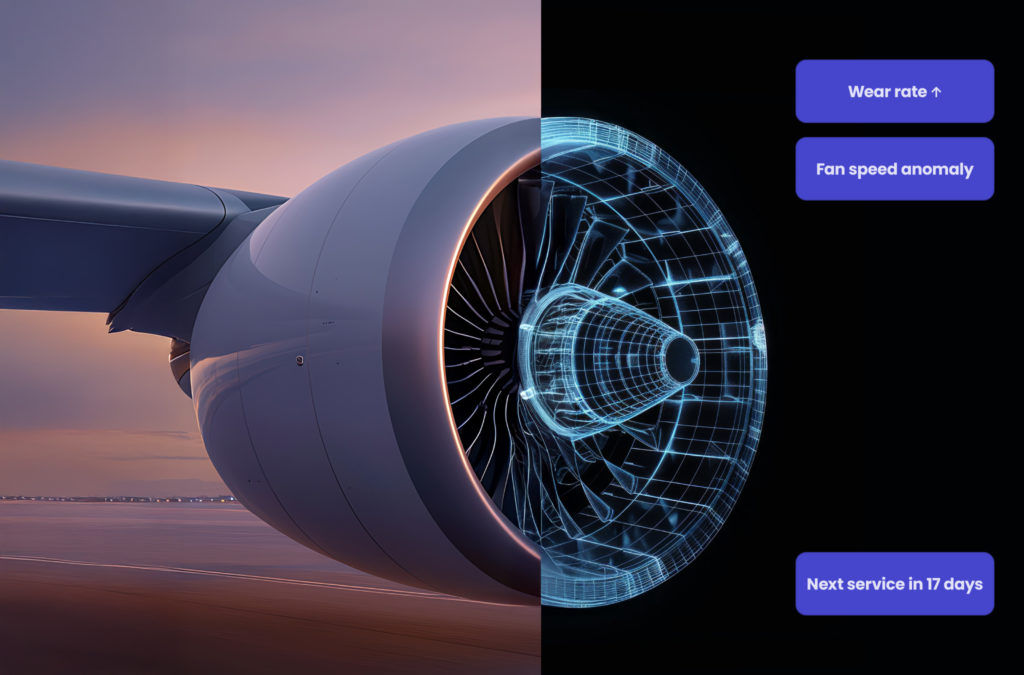
By integrating predictive engine data directly into logistics workflows, the system can trigger early shipments, adjust inventory allocations, and align supply chain actions with actual engine needs.
التخطيط التنبؤي قبل أشهر = شحن في الوقت المناسب + تقليل التوقف، مما يبقي لوجستيات المحركات تعمل بدقة متناهية.
عندما تعمل الصيانة التنبؤية واللوجستيات التنبؤية جنبًا إلى جنب، تكون النتيجة عملية متزامنة بالكامل.
التنسيق أثناء التنفيذ
كيف تبدو التنسيقية الذكية فعلياً على أرض الواقع؟ تخيل هذا السيناريو:
- محرك يطير حاليًا في رحلات يومية يبدأ في إظهار علامات خفية لإجهاد التوربين.
- ينطلق النظام في الحركة ويستجيب من خلال تنسيق ما يلي: replacement part is automatically sourced and assigned – AI cross-checks current inventory levels, part compatibility, and repair facility availability to determine the optimal match – maintenance window is booked at the nearest facility that has the right equipment and capacity – shipping is arranged based on real-time traffic, weather conditions, and customs clearance data.
- يحدث التأخير: تتعطل الشحنة أثناء النقل.
- بدلاً من اكتشاف ذلك بطريقة تفاعلية، فإن يُبلغ النظام عن المشكلة فوراً وتنبّه جهة الاتصال المحلية المناسبة تلقائياً.
- بحلول الوقت الذي تهبط فيه الطائرة، الجزء في انتظار بالفعل.
- يمكن للفريق البدء في العمل دون تأخير.
والنتيجة؟ الحد الأدنى من وقت توقف الطائرة وعدم وجود شحنات طارئة. تعود الطائرة إلى الخدمة مبكرًا – مما يوفر المال، ويحافظ على الجداول الزمنية سليمة، ويحافظ على الثقة التشغيلية.
تحقيق النجاح: التكنولوجيا والأفراد
على الرغم من قوة التقنية، فإن التنسيق اللوجستي الحقيقي ليس رقمياً بالكامل. يعتمد النجاح على التعاون البشري عبر التصنيع والصيانة والخدمات اللوجستية والعمليات.
لهذا السبب يعيد رواد قطاع الطيران التفكير في التعاون من الأساس. وهم يقومون بما يلي:
- دمج بيانات أداء المحرك في العالم الحقيقي مع جداول الإنتاج لتوقّع الطلب.
- مواءمة فرق الهندسة والخدمات اللوجستية والعمليات حول جداول زمنية مشتركة وأهداف موحّدة.
- إنشاء مساحات عمل رقمية آمنة حيث يمكن لمصنّعي المعدات الأصلية ومراكز الصيانة والإصلاح والعمرة وشركاء الخدمات اللوجستية الاطلاع على البيانات نفسها، والتخطيط في البيئة ذاتها، والتحرك بالإلحاح نفسه.
في هذا النموذج، لا يحلّ الذكاء الاصطناعي محل اتخاذ القرار البشري بل يعزّزه.
يحدد الذكاء الاصطناعي المخاطر في وقت أبكر ويعرض الخيارات بسرعة أكبر، بينما يظل البشر ضروريين للحكم والموازنات والموافقات – وهو نموذج حقيقي يضع الإنسان في حلقة القرار.
أمن البيانات والسيادة عليها
عندما يتعلق الأمر بأداء المحركات وسجلات الصيانة وحركات سلسلة التوريد، فإن كل بايت من البيانات ذو قيمة وقد يكون عرضة للخطر.
Understandably, many stakeholders across the aerospace ecosystem are concerned about sensitive engine performance and maintenance data being shared across different systems. This is where best-practice security frameworks become essential.

في Spyrosoft، صُممت منصاتنا اللوجستية القائمة على الذكاء الاصطناعي بعدة ميزات رئيسية:
- التشفير من طرف إلى طرف، وتأمين البيانات أثناء النقل وفي حالة السكون، عبر جميع الشركاء والمنصات.
- ضوابط الوصول القائمة على الأدوار، مما يضمن أن العيون المناسبة فقط ترى البيانات المناسبة.
- الامتثال للمعايير العالمية – ISO 27001 وNIST وAS9100 والأطر الخاصة بالطيران لضمان أعلى مستوى من الأمان.
- استراتيجيات البيانات السيادية حيث تُحترم سياسات التخزين والمعالجة والنقل الإقليمية، مما يمنح أصحاب المصلحة التحكم في مكان تخزين بياناتهم وكيفية انتقالها.
We work closely with clients, regulators, and industry alliances to help establish standards that define what secure and collaborative logistics should look like within a connected aviation ecosystem.
الخاتمة: آفاق صافية مع الخدمات اللوجستية المدعومة بالذكاء الاصطناعي
When engines arrive late or components go missing, it’s not just a delay or a paperwork issue. It’s lost revenue, eroded trust, and a ripple effect that reaches from the hangar to the passenger gate.
اقرأ المزيد: كيف يحلّ الذكاء الاصطناعي أزمة الطاقة الاستيعابية للصيانة في قطاع الطيران
الانتقال إلى المقال
لهذا السبب من المهم جداً إعادة تصور الخدمات اللوجستية في صناعة الطيران. الفوائد ملموسة:
- إنجاز أسرع.
- توافر أعلى لأسطول المركبات.
- خفض تكاليف التشغيل.
- ولاء أقوى للعملاء.
في صناعة الطيران عالية المخاطر، سيكون الفائزون هم القادرون على تسليم المحركات والمكونات في الوقت المحدد، في كل مرة – مع تنسيق ذكي من البداية إلى النهاية.
في Spyrosoft، نساعد في تحويل ذلك إلى واقع. ننشئ منصات بيانات وحلول ذكاء اصطناعي تربط النقاط – من قياس أداء المحرك عن بُعد إلى التخليص الجمركي.
إذا كنت مستعداً لتبسيط لوجستيات محرّكك بالذكاء الاصطناعي، فلنتحدث.




It means using AI to coordinate all the moving parts of aerospace engine supply chains in real time: parts manufacturing and inventory, transport, customs, MRO scheduling, and facility readiness. Instead of each stakeholder managing their own silo, AI connects the ecosystem so that disruptions trigger coordinated responses across the whole chain.
The supply chain involves multiple disconnected stakeholders including OEMs, MRO providers, freight operators, and customs officials. Coordination failures cause cascading delays: engines arrive before facilities are ready, wrong parts get shipped, maintenance slots are missed. McKinsey reports continued turbulence in aerospace supply chains with minimal buffer capacity to absorb shocks.
Digital twins are virtual replicas of physical engines that continuously update based on operational and maintenance data. GE Aerospace uses digital twins to forecast repair scope and parts requirements before an engine physically arrives for servicing. This enables just-in-time parts shipping and optimised facility scheduling, reducing both inventory costs and turnaround time.
AI integrates IoT sensors, GPS tracking, ERP records, weather data, and customs information to anticipate disruptions before they escalate. By recognising patterns and simulating scenarios, the system triggers preemptive actions across time zones. McKinsey research indicates AI-based risk prediction can reduce the impact of disruptions by up to 30%.
No single stakeholder can transform the aerospace supply chain in isolation. Success requires shared service level agreements measuring collective outcomes, secure data environments with role-based access controls, and joint governance models that create incentives for synchronised performance. Compliance with standards like ISO 27001 and AS9100 is also essential.
arrow_circle_rightاتصل بنا
ابدأ في تبسيط لوجستيات محركاتك

arrow_circle_right مقالاتنا


