الذكاء الاصطناعي في تطوير المنتجات: كيف يُحدث الذكاء الاصطناعي التوليدي ثورة في العملية


يُعيد الذكاء الاصطناعي التوليدي وأدوات الذكاء الاصطناعي تشكيل كيفية تعامل الشركات مع تطوير المنتجات، مما ينقل التركيز من التكرار اليدوي إلى اتخاذ القرارات المبنية على البيانات.
In this article, I will explore what this means for companies looking to integrate AI into their development pipelines. I will draw on the speakers’ expertise from the AI Connect conference: Piotr Tański, Principal HMI Software Engineer at Spyrosoft and Peter Schneider, representing our strategic partner, Qt Group. Discover their insights on the future of graphical interface development.
كيف يغيّر الذكاء الاصطناعي التوليدي عملية إنشاء المنتجات
Gen AI is changing the rules of the game in product development. It accelerates critical stages such as UI design, code generation, and software testing. Tasks that once took weeks can now be completed within minutes. As Peter Schneider from Qt highlighted during his presentation, today يتيح الذكاء الاصطناعي التوليدي، من بين أمور أخرى، إنشاء تطبيقات الويب والجوال باستخدام اللغة الطبيعية.
However, its impact goes beyond that. AI is reshaping the entire product development lifecycle – from initial concept to implementation and updates. Automating key processes, such as code analysis, test generation, and debugging, enhances development efficiency. وهذا لا يُترجم فقط إلى سرعة أكبر في الوصول إلى السوق، بل أيضاً إلى جودة محسّنة.
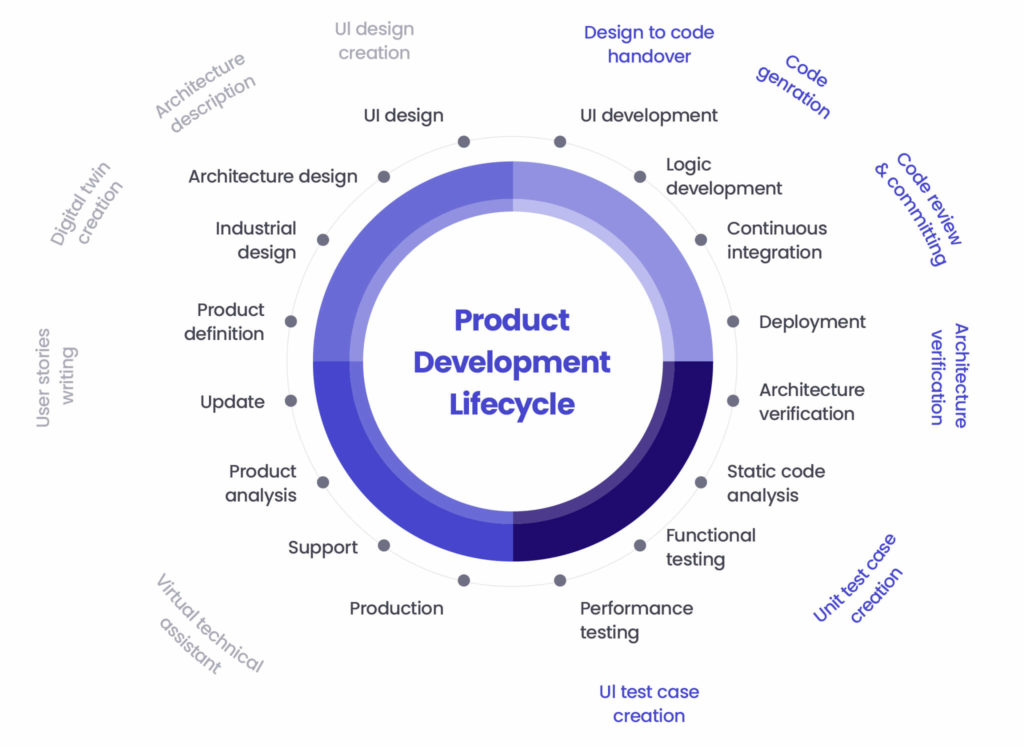
بالنسبة لقادة التكنولوجيا في الشركات القائمة على المنتجات، ينبغي أن يكون هذا بمثابة إشارة واضحة: أصبح تبنّي الذكاء الاصطناعي التوليدي أمراً ضرورياً للحفاظ على القدرة التنافسية في السوق. في موقعهم، سأركز على الفوائد الرئيسية التالية:
- تسريع نماذج واجهة المستخدم الأولية – gen AI enables the automatic generation of UI prototypes based on textual descriptions, significantly accelerating design iterations. Businesses can test concepts more quickly and refine products to align with user expectations, saving both time and resources.
- اختبار أسرع ودقة محسّنة – يمكن لأدوات الاختبار المدعومة بالذكاء الاصطناعي أتمتة المهام المتكررة وإنشاء آلاف الحالات في دقائق، مما يقلل الجهد اليدوي وخطر المشكلات بعد الإطلاق.
- تحويل إدارة دورة حياة المنتج – AI does not merely generate UI elements; it also analyses user interactions and provides real-time optimisation suggestions. This allows businesses to dynamically adjust interfaces based on evolving customer expectations, moving away from static product roadmaps.
أعتقد أن الذكاء الاصطناعي في تطوير المنتجات لم يعد مجرد أداة للأتمتة - بل يمثل تحولاً جوهرياً في كيفية تصميم الشركات لواجهات المستخدم وإدارتها.
التحديات في تنفيذ الذكاء الاصطناعي
Despite the benefits I have presented, companies still hesitate to use generative machine learning in product development. Although up to 65% of professionals report using gen AI in their work, only 13% apply it specifically in software engineering. During their presentation, our speakers explored the reasons behind this trend, identifying three key factors:
- نماذج الذكاء الاصطناعي التوليدي نقص الوعي بمنتجات محددة وليس لديها معرفة متأصلة بها.
- يتردد مبتكرو المنتجات في إدخال بياناتهم إلى نماذج الذكاء الاصطناعي بسببمخاوف بشأن تسرب البيانات، أو فقدان الميزة التنافسية، أو مخاطر الملكية الفكرية.
- العديد من الشركات ليست بعد ثقافياً أو تنظيمياً مستعد لتبني الذكاء الاصطناعي التوليدي.
Despite these challenges, large language models have the potential to significantly improve the analysis and decision-making processes in product development by processing extensive product data and market information.
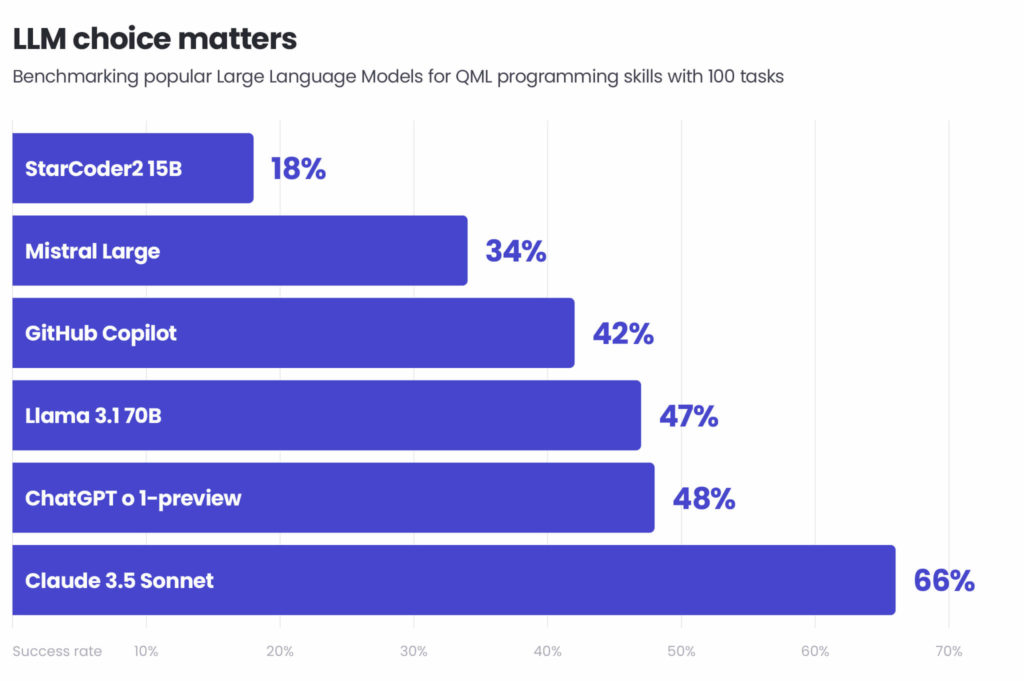
I should also add that popular LLMs successfully handle only 30–50% of tasks requiring programming expertise. It raises the question of how these models can be integrated into UI/UX development workflows.
هندسة الأوامر والضبط الدقيق: تعزيز فعالية الذكاء الاصطناعي
أرى الفرصة لمواجهة هذه التحديات في هندسة الأوامر المتقدمة والضبط الدقيق. وكما أبرز خبراؤنا خلال العرض التقديمي، تعمل هذه الأساليب معاً على تحسين دقة الذكاء الاصطناعي وفائدته – سواء في توليد الأكواد، أو تحليل البيانات، أو أتمتة العمليات. بينما هندسة الأوامر يحسّن تعليمات الإدخال لتوجيه استجابات الذكاء الاصطناعي بفعالية أكبر، الضبط الدقيق يعزز الفهم السياقي ويسرّع تنفيذ الحلول الجديدة، مما يؤدي في النهاية إلى نتائج أكثر دقة وكفاءة.
هذه الأساليب حاسمة لتحسين مراحل مختلفة من تطوير المنتج، من الفكرة إلى إطلاق السوق.
بصفتنا رائداً فيحلول HMI، تُظهر Spyrosoft أن الجمع بين هاتين التقنيتين لا يحسّن سير العمل اليومي فحسب، بل أيضاً يتيح تطوير منتجات مبتكرة مصممة خصيصاً لمواجهة تحديات تجارية محددة.
وهذا يعود جزئياً إلى التعاون مع مجموعة Qt, with whom we are engaged in numerous joint projects. We actively support each other’s efforts in advancing Qt technology, sharing business opportunities, and managing workloads related to customer inquiries. Our partnership is focused on boosting mutual commercial benefits, optimising technology use, and delivering enhanced services to the Qt user community.
الخلاصة
Technology leaders should prioritise integrating gen AI throughout key stages of the product lifecycle. Automating UI design through AI-generated prototypes significantly shortens development cycles and reduces costs. Additionally, gen AI can improve prototyping and development and reduce the time needed for quality assurance. This is why, at Spyrosoft, we see this technology not merely as a tool for automation but as a strategic enabler for optimising product management workflows.
الأسئلة الشائعة
AI in product development refers to using machine learning and generative models to support tasks such as user research, concept exploration, prototyping, and documentation. These tools accelerate early-stage decisions and help teams explore more options without increasing manual workload.
It speeds up ideation, automates repetitive work and provides insights based on large datasets. Teams can test assumptions earlier, identify patterns in user behaviour and generate content or design variations that support faster decision-making.
Common barriers include fragmented data, unclear governance, and limited expertise in prompt engineering and model evaluation. Ensuring transparency and responsible use is also essential, particularly when AI output influences strategic decisions.
They can begin by identifying clear use cases, selecting reliable datasets and building workflows that link AI output with human review. According to Spyrosoft, successful teams treat AI as an assistant that enhances work rather than replacing core expertise.
As models become more capable and context-aware, product teams will move from manual research and documentation to more strategic tasks. This shift will enable faster iteration, deeper user understanding and more resilient product decisions.




arrow_circle_rightاتصل بنا
لنتواصل للتحقق من كيفية دعم مشروعك

برزيميسواف كشيفانيا
مدير واجهة الإنسان والآلة
arrow_circle_right مقالات أخرى