כבלים לעומת סטרימינג: איזו אסטרטגיית הפצה מתאימה ליעדי התוכן שלך?

![[hero] media and entertainment - cable vs streaming which strategy fits you best](/wp-content/uploads/2025/09/hero-media-and-entertainment-cable-vs-streaming-which-strategy-fits-you-best-scaled-1-1024x683.jpg)
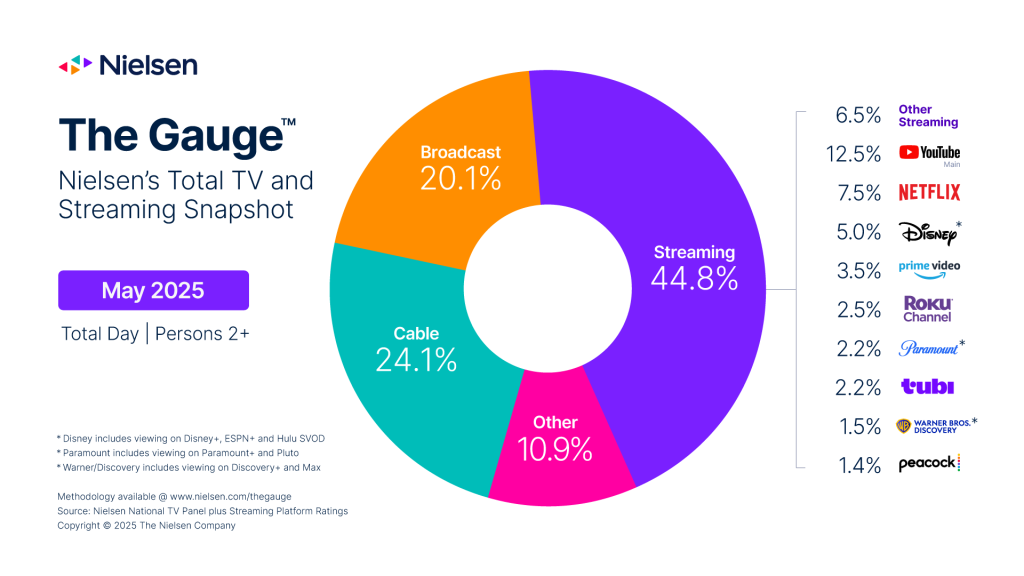
The media landscape is experiencing its most dramatic transformation in decades. Streaming services have just achieved a historic milestone – for the first time ever, they’ve captured more total TV viewership than traditional TV and broadcast combined, reaching 44.8% of all television consumption in 2025. For media companies and content creators, this shift represents both unprecedented opportunity and strategic complexity. Streaming services usage has grown by 71% since 2021.
Yet the decision of where to distribute your content has never been more challenging. Should you prioritise streaming platforms for their global reach and on-demand content flexibility? Or focus on cable TV for its established infrastructure and dominance in live TV streaming and sports channels? Many companies find themselves navigating the cord-cutting trend while maintaining reliable revenue streams that cable TV still offers.
Understanding the cable vs streaming landscape is crucial for strategic decision-making. In this guide, we’ll examine what cable TV and streaming services actually offer, compare their technical capabilities and audience reach, and help you determine which distribution strategy fits your content goals.
מהי טלוויזיה בכבלים?
Cable TV delivers television programming through physical cables directly to your home. It transmits signals via coaxial cables or fibre optics, creating a dedicated pathway that operates independently of your internet connection.
Here’s how it works: cable TV companies collect programming from broadcasting stations and content providers, then distribute this content through their cable infrastructure to individual households. A set-top box at your home decodes these signals, giving you access to the TV programs included in your subscription package.
For media & entertainment companies, cable TV offers distribution through established channel lineups within cable TV programs. Unlike streaming services, cable TV follows scheduled programming where content airs at specific times on designated channels.
This model operates on monthly cable subscription fees for predetermined channel bundles, creating predictable revenue streams for content providers.
יתרונות וחסרונות של טלוויזיה בכבלים
Understanding cable TV from a content distribution perspective requires evaluating how this platform affects your reach, revenue, and content strategy. Let’s examine the key advantages and challenges cable TV presents for media companies and content creators.
יתרונות:
- תשתית הפצה מבוססת: direct access to millions of existing subscribers through proven delivery networks
- מקורות הכנסה אמינים: predictable monthly subscription fees and long-term contracts provide stable income for content providers
- הדומיננטיות של ערוצי ספורט פרימיום: cable TV is still popular among sports fans and regional networks that many streaming services struggle to access
- הגעה המונית בו-זמנית: ability to deliver content to large audiences at the same time for major events or premieres
- חדירה לשוק המקומי: strong presence in regional markets with established advertiser relationships
- אמינות האות: consistent video quality without buffering issues or internet service dependency
חסרונות:
- שליטה מוגבלת בתכנים: your programming must fit predetermined schedules and channel lineup decisions
- ירידה בבסיס המנויים: cord-cutting trends mean shrinking audience reach as viewers migrate to streaming TV platforms
- Hidden costs and revenue sharing complexity: must negotiate with cable TV operators who control subscriber relationships and pricing
- מודל הפצה לא גמיש: content tied to linear scheduling rather than on-demand content viewing patterns
- חסמי כניסה גבוהים: significant costs and negotiations required to secure cable TV services

מהי טלוויזיה בסטרימינג?
Streaming services deliver content over the internet, enabling users to watch shows, movies, and news via an internet connection, rather than relying on cable TV infrastructure. They don’t require physical cables or scheduled programming – content is transmitted as small data packets that are temporarily stored and played back on your device.
How does it work? When you select content on a streaming service, the platform breaks the video into small segments and transmits them to your device in real time. This streaming technology automatically adjusts quality based on your internet service speed and device capabilities, creating a continuous viewing experience without requiring full downloads.
For media companies, streaming services represent a fundamentally different distribution model. Instead of fitting content into predetermined cable TV packages, you can deliver programming directly to audiences through on-demand content libraries or live TV streaming formats.
סוגי שירותי סטרימינג
Streaming platforms generally fall into three main categories:
1. שירותי סטרימינג וידאו לפי דרישה provide vast content libraries, allowing users to watch movies, TV shows, documentaries, and exclusive programming at their convenience. Platforms like Netflix, Amazon Prime Video, Hulu, and Disney+ allow subscribers to watch content at their own pace or binge-watch entire series without interruption.
2. שירותי סטרימינג של שידורי טלוויזיה חיים, such as YouTube TV, Hulu + Live TV, and Sling TV, provide live TV channels comparable to those offered by cable TV, enabling users to watch news, sports, and entertainment in real-time over the internet. These services offer streaming flexibility while including cloud-based DVR capabilities.
3. שירותי סטרימינג נתמכי פרסום בחינם, such as Pluto TV, Tubi, and Roku Channel, provide access to content without subscription fees, funded through advertising revenue.
יתרונות וחסרונות של שירותי סטרימינג
For media companies and content creators, streaming services offer distinct advantages and challenges compared to cable TV distribution. Here’s how streaming TV platforms impact your content strategy and business objectives.
יתרונות:
- פוטנציאל טווח גלובלי: distribute content worldwide without the geographical limitations that cable television faces
- יחסים ישירים עם הקהל: access viewer data and engagement metrics, or build your own platform for complete audience ownership
- גמישות תוכן: on-demand content delivery that viewers can access anytime, plus experiment with episode releases and formats
- אפשרויות שליטה בהכנסות: explore subscription, advertising, pay-per-view models, or maintain full revenue control with multiple streaming services
- נגישות חוצת-מכשירים: reach audiences on multiple devices from smart TVs to mobile phones
- הפחתת חסמי הפצה: negotiate with existing platforms or bypass gatekeepers entirely with proprietary solutions
- המלצות מותאמות אישית: algorithm-driven content discovery helps retain viewers and increase engagement
- חוויית צפייה גמישה: pause, rewind, binge-watch capabilities that enhance user satisfaction
- Consumer-friendly streaming service pricing: month-to-month subscriptions with easy cancellation and upgrade options attract audiences tired of long-term cable contracts
חסרונות:
- תלות באינטרנט: content quality and accessibility depend entirely on viewers’ internet costs and connection stability
- מורכבות טכנית: requires robust infrastructure investment, whether using existing streaming apps or building custom platforms
- עוצמת התחרות: thousands of content creators compete for attention, though custom platforms offer differentiation opportunities
- שיקולי הכנסות: existing streaming services take significant cuts, while custom platforms require higher upfront investment
- פיתוח קהל: fragmented viewership across many streaming platforms, or the challenge of building an audience from scratch
The challenges and opportunities of streaming TV services vary significantly depending on your approach. Partnering with existing platforms like Netflix offers immediate audience access but limits revenue control. Building your own streaming platform provides complete audience ownership and flexible monetisation, but requires higher technical investment.
Cable TV vs streaming TV: what’s the difference?
To help you navigate the cable vs streaming decision, we’ve broken down the key differences between these distribution methods. This comparison encompasses everything from technical requirements to revenue models, providing a clear understanding of what each option offers.
| היבט | טלוויזיה בכבלים | טלוויזיה בסטרימינג |
| אספקת תוכן | כבלים פיזיים (קואקסיאליים/סיב אופטי) | נדרש חיבור לאינטרנט |
| מודל תכנות | תכנות לינארי מתוזמן | On-demand content and live streaming options |
| גישה למכשיר | ממירים, ניידות מוגבלת | Multiple devices – smart TVs, phones, tablets |
| בקרת תוכן | חבילות טלוויזיה בכבלים קבועות, ערוצים מצורפים | Customisable subscriptions, algorithm-driven recommendations |
| מודל הכנסות | מנויים חודשיים ודמי ציוד | Subscription, advertising, pay-per-view, or custom models |
| הגעה לקהל | Regional/national through established networks | פוטנציאל טווח גלובלי |
| דרישות טכניות | ממיר, חיבור קואקסיאלי | High-speed internet connection, streaming devices |
| תזמון תוכן | צפייה במועד שידור, DVR לגמישות | צפייה בכל עת, עם תמיכה בצפייה מרתונית |
| זמינות ערוצי ספורט | Comprehensive coverage including regional networks | מוגבל, משתנה לפי פלטפורמה |
| חסמי כניסה לסטארטאפים | גבוה – לנהל משא ומתן עם מפעילי טלוויזיה בכבלים | Lower – direct platform access or custom builds |
| בעלות על נתונים | תובנות מוגבלות על הקהל | גישה ישירה לנתוני הצופים |
| תלות בתשתית | רשתות כבלים פיזיות | יציבות חיבור האינטרנט |
Need to make a choice? Consider market shifts and audience specifics
The cable vs streaming decision isn’t binary – it’s about matching your content to the right audience and revenue model. Cable TV excels in live events, sports watching, and reaching older demographics through established cable television infrastructure. Streaming TV services dominate with global reach, on-demand content, and younger audiences.
But the smartest media companies aren’t choosing sides. Major sporting events are now simulcast across cable TV and streaming platforms. Live TV streaming services blend scheduled programming with internet flexibility. Cable television operators integrate streaming services, while streaming TV adds live programming.
The future belongs to platform-agnostic strategies. Your content should reach audiences wherever they consume media, whether through traditional cable TV, existing streaming TV, or custom platforms that give you complete control.
מוכנים למקסם את חשיפת התוכן שלכם?
Understanding cable vs streaming is crucial, but success in today’s media landscape often requires expanding beyond single distribution methods. Whether you’re looking to enter the streaming services market, build your own streaming TV platform, or create multi-platform strategies that work across both streaming and traditional cable TV ecosystems, the technical execution makes all the difference.
At Spyrosoft, we specialise in helping media companies succeed in the streaming world. If you want to explore streaming TV services opportunities too, הסתכלו על השירותים שלנו and discover how we can help you build your streaming success story.
שאלות נפוצות
Cable TV delivers content through physical cables and scheduled programming, while streaming services use the internet to provide on-demand content across multiple devices.
Yes, streaming is rapidly gaining ground. In 2025, streaming captured 44.8% of total TV viewership, surpassing cable and broadcast for the first time. However, cable TV remains strong in sports, live events, and older demographics.
Cable TV offers reliable video quality, established sports channels, and simultaneous reach for live events, making it appealing to households that prioritise stability and traditional viewing.
Absolutely. Many companies adopt hybrid strategies—simulcasting live events on cable and streaming, or offering on-demand content alongside traditional channels—to maximise audience reach.
For consumers, streaming is often cheaper and more flexible with month-to-month plans. For content providers, cable offers stable revenue streams, while streaming provides broader reach but requires higher technical investment.


arrow_circle_rightצרו קשר
Let’s talk about your distribution strategy!

Bartlomiej Lozia
מנכ"ל Spyrosoft BSG


