ניפוץ 6 מיתוסים נפוצים בתחום הטלרפואה


על פי נתונים ששותפו על ידיFrost&Sullivan, the number of telehealth visits grew by 50% in the UK aloneבחודשים הראשונים של 2020ואת ה-המספר בארה"ב יצמח ב-64.3%עד סוף השנה.
Almost every type of medical clinic now offers the opportunity to contact doctors, including physical therapists and dermatologists, via a video conferencing tool or an online communicator. Other research seems to be supporting the idea that the sector will be growing even more in the next few years – Business Wire predicts that the global telehealth industry will be worth 12 million USD in 2023.
The sector is growing rapidly in the pandemic, אך שיעור האימוץ הכולל שלוברוב המדינות has been slow, with only 17% of UK-based doctors using the solutions in 2019 (Frost&Sullivan, 2020). It seems like the biggest usage of telehealth solutions has been observed in places where access to traditional medicine is limited, so it’sהיה תוסף ולא כחלופה ל-oביקורים באתר.
It’s גםנקה that telemedicine will never be able to replace traditional medicine, but a growing list of tools such as heart rate and temperature monitoring devices and surgical robots that are now widely used for remote procedures,תנו לנו מבטהצצה אל מה the future of the health industry may look like. As do the self-assessment tools that can be crucial for early detection of any disease, including Covid-19.
שםis עדיין מעטwariness surrounding this sector, and I’d like to לנפץ כמה מהמיתוסים הנפוציםבמאמר של היום.
טלרפואה היא סקטור חדש
בואו נפרק אתראשוןמיתוסכיטלרפואה היאa new, up-and-coming industry. That’s not true, telemedicine has been used for many years, it’s just that זה לא הפך למיינסטרים.
The fact that telemedicine is not new makes it more reliable. ישנםקיים videoconferencing, online payment, messaging and documentation tools that can be safely and easily aמותאםtoהצרכיםof כלשהוhealthcare practice, no matter how big or small.
הדבר גם אומר שפתרונות אלה נבדקו עםקבוצה גדולה של מטופלים, כוללהקשישים וילדים, sתומךתת-מטופליםקהילות במשך שניםכלומר במדינות מערב אפריקה.
The fact that telemedicine has been used for years doesn’t mean that it doesn’t employ modern technologies and tools. One of the solutפתרונות שאנו עובדים עליהם ב-Spyrosoft is aתהליך אבחון מרחוק המשתמשsArtificial Intelligence algorithms for clear-cut and precise movement, sound and image tracking.
As I’ve mentioned, more time to develop telehealth solutions means that they’re tried and tested. At Spyrosoft, אנו פועלים בהתאםחדשh ISO 13485. Spyrosoft QMS provides both the workflows and standard operating procedures you need to ensure compliance at all phases of the product lifecycle.
טלרפואה היא יקרה
אפילולפני מספר שנים לא יכולנו בביטחהלקבועכיבאמצעות טלמדיסיןפתרונותנמצאים זול יותר משיטות מסורתיות. עם זאת, זה כבר לא ה-מקרה. I’ll admit that telehealth requires investment when introducing the model, purchasing devices and setting up data monitoring systems. אולם, אnceאלה נמצאים ב-מקום,תוכל לחסוךon the costs of maintaining a medical facility.
The financial factor has been one of the main reasons for האיטישיעור אימוץשל טלה-רפואהwith these solutions being around 10% more expensive than אלה המסורתיים.הקרן הכוללתingהכרחי להתחיל טלהתוכנית בריאות הפחית, ואני בטוח שwe will see a few more companies in the next few חודשיםעובד to ירידהeאותם אף יותר.
טלרפואה מחמירה את חוויית המטופל
היבט חשוב של telemedicine: patient experience can be easily improved by using telehealth solutions. מבחינה טכניתמנקודת מבט, כך המטופלמחזורזרימת הנתונים נראיתעבור כל סוג של ציוד רפואימכשיר שפותח ב-Spyrosoft:
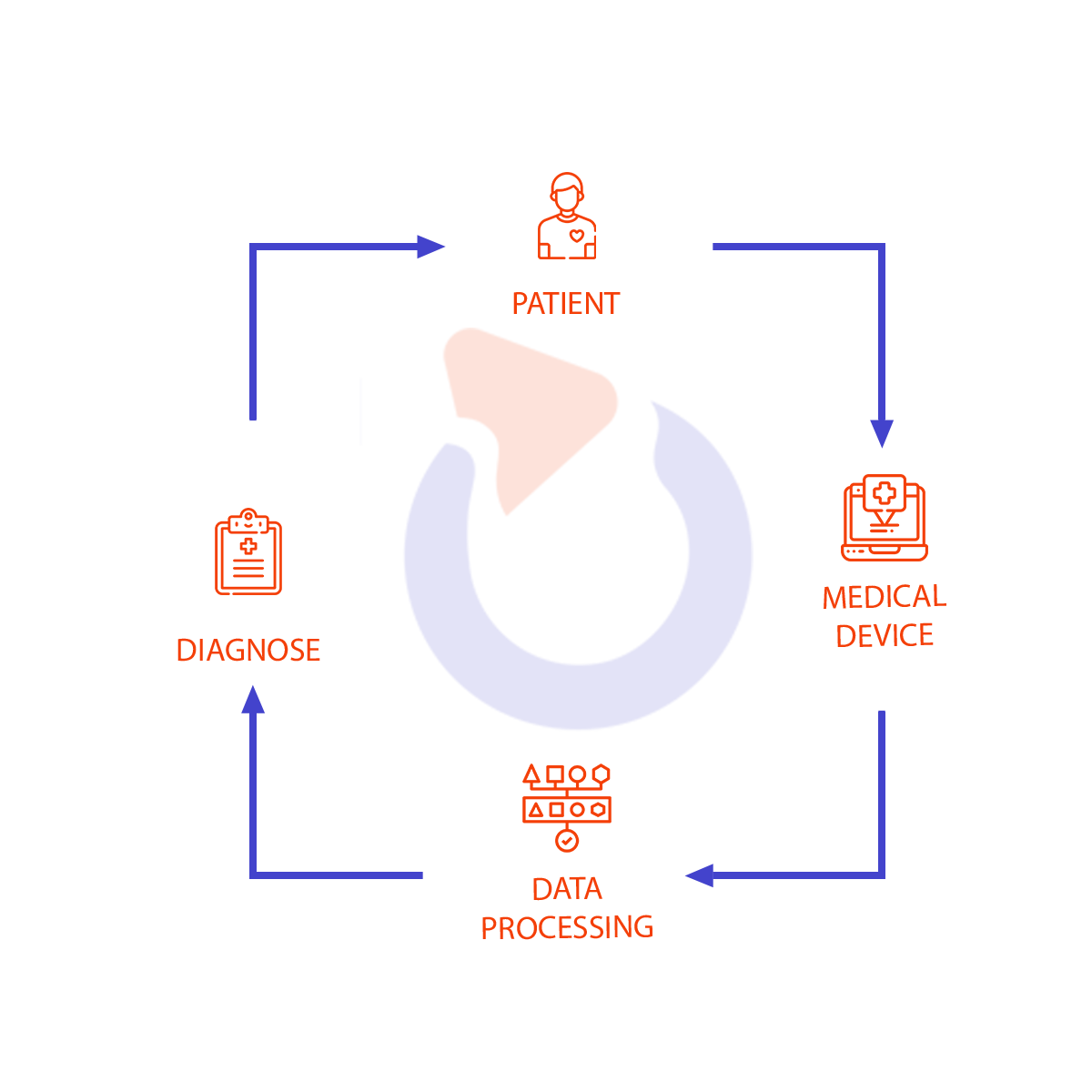
We build complete, end-to-end, solutions starting from the design of the device, its hardware and software development up to הממשקי משתמש קצה. We connect to network wearable devices and in vivo transmitters to reduce הneמיועד לקשר ישיר between a doctor and patient. This is especially important in the pandemic.
As you can see, most of the process doesn’t require any output from the patient which means that they can simply focus on getting better and not worry about sending their results to different medical facilities or booking multiple visits to get their diagnosis.
זה גם טוב יותר עבוראיש מקצוע רפואיs. כל נתוני המטופליםis stored in one place and can be accessed at any time. This way, the doctor can spendיותר זמן לתמיכההמטופל, ומסביר אתir תוצאות והגדרהטיפול שיעלהלעמוד בהצרכים שלהם וכל תנאי חוץ.
It’s traditional medicine, not telemedicine, that will prepare us for the next outbreak
זהpoבפוטנציאל the most important benefit of using telemedicine. As is the case with most coronaviruses, Covid-19 is also likely to come back in waves. It means that the better we prepare ourselves וככל שהטלרפואה שלנו טובה יותרפתרונותלהפוך כעת, כך יהיה קל יותריהיה לטפלמטופלים בעתיד.
We need to push for developing the telehealth sector, all הwhile making sure that traditional medical facilities such as hospitals are well-prepared and מצוידעם the newest technology to take care of the most severe cases.
ה מחזור חיים עבוררובטלרפואה מוצרים נוטים להיות קצרים בהרבה מ-כי of traditional medical solutions. This means that נוכחי תנאים עם המגפה שrcingחברות ל-במהירותלפתח חדשדיגיטלימוצרsותכונות. At Spyrosoft, we’re using a process called rapid prototyping where we spend 4 – 8 weeks on researching, prototyping and validating ideas to finally bring them to life and test them out with real patients.
Telemedicine doesn’t address the limited access to tests
While telemedicine is great for conditions that don’t need complex procedures, what if a patient needs a test?
אחת התשובות לבעיה זו היאבשימוש ב-ביתבדיקותערכותבמידה רבה. זאת כמובן אמצעים making the kits easy to use and simplifying the procedure. וזהמהקורהto כל סוג שלבדיקה, ranging from genetic dispositions to vitaminומחסור במינרליםies. אולם, הטכנולוגיה עדיין לאמושלם,וחלקםמומחים אומרים שערכות בדיקה ביתיותעדיין זקוקיםיותרנגיש משתמשמידעמסופקים עםאותם ו טוב יותר שיטות החזרה חכמות. הם טרם הפחיתוהנטל שהוטלבבתי חולים ובבדיקותמעבדות, but they allow people to take necessary precautions and check their health without needing to queue up at physical locaפתרונות.
Another way to tackle the issue of limited access to testing is by combining traditional medicine with telehealth. This hybrid method would לשלב setting up mobile testing labs that can be placed at schools and/or public offices or in vehicles that could travel to remote locations taking samples and delivering them to medical labs afterward, with the test results being sent to a patient via a text message or email.
Telemedicine doesn’t address the lack of medical equipment
The lack of telemedicine equipment is stopping thהתעשייה מלצמוח.As isכפי שקורה בבדיקה ביתיתs, גם חומרה רפואיתחייב become more accessible and easier to use at home or in any type of environment with compromised conditions (unstable internet connection or limited access to electricity).
לסיכום
כאשר 50% מהאנשים ברחבי העולם (לפיסקר WHO והבנק העולמי משנת 2017) עדיין כוללתגישה מוגבלת ל-essential health services and the perspective that Covid-19 is here to stay, כעת אנו זקוקיםה telemedicine sector to step up more than ever. It’s also the industry where weתראואקספוננציאליצמיחה בטווח הקרובעתיד.
If you have any telehealth projects to develop, now is the perfect time to start. צור קשר עםSpyrosoftמנהל בריאות ומדעי החיים, Krzysztof Minickiלמידע נוסף.
No. Telemedicine complements traditional healthcare rather than replacing it. Many medical cases still require physical examinations, diagnostic tests, or in-person procedures. Remote consultations work best for follow-ups, initial assessments, and ongoing monitoring.
Not necessarily. For many conditions, especially routine consultations or chronic disease management, telemedicine can be just as effective. It also allows faster access to medical advice, which can improve patient outcomes.
No. While the COVID-19 pandemic accelerated its adoption, telemedicine continues to play a key role in modern healthcare. It improves access to care, especially for people living in remote areas or those with limited mobility.
Yes, when designed according to healthcare regulations and security standards. Reliable telemedicine solutions use encryption, secure authentication, and compliance frameworks to protect sensitive patient information.
Modern telemedicine platforms are designed to be intuitive and user-friendly. Many solutions work through standard devices such as smartphones, tablets, or computers, making remote consultations accessible to a wide range of users.
Yes. Telemedicine can reduce waiting times, connect patients with specialists regardless of location, and make healthcare services more accessible. This is particularly valuable in underserved regions or where specialist care is limited.


arrow_circle_rightצרו קשר
מעוניינים לשתף איתנו פעולה? צרו קשר.

arrow_circle_right הבלוג שלנו


