دورة حياة تطوير البرمجيات الآمنة (SSDLC) – لماذا هي مهمة؟


Understandably, productivity is an essential factor in the software development industry. Companies have to be flexible to keep up with the demanding market and new requirements from their customers. Nevertheless, we should keep in mind that the general rule of cyber security is that the lack of due care will result in an increased risk of cyber security incidents occurring. Software development is no exception to the rule.
عندما يكون هناك تركيز كبير على الإنتاجية والإصدارات المتكررة والمواعيد النهائية الضيقة، قد يزداد خطر حوادث الأمن السيبراني. الأمن السيبراني may be omitted or not considered as one of the most important factors in a Software Development Lifecycle (SDLC). Often there is no security at all in SDLC or it is limited only to penetration testing. With this in mind, it is good to highlight what SDLC is and what areas it contains.
Integrating security into the software development process through a Secure Software Development Life Cycle (SSDLC) is crucial. The SSDLC framework ensures that security is embedded in every phase of development, from initial design to deployment and maintenance. This ongoing process includes continuous monitoring and improvement to adapt to evolving security threats, as well as proactive measures such as threat modeling and security testing throughout the entire development process.
ما هي دورة حياة تطوير البرمجيات (SDLC)؟
دورة حياة تطوير البرمجيات (SDLC) هي منهج منظم لتطوير البرمجيات، وهي مقسمة إلى عدة مراحل. عادةً ما تتضمن SDLC المراحل التالية:
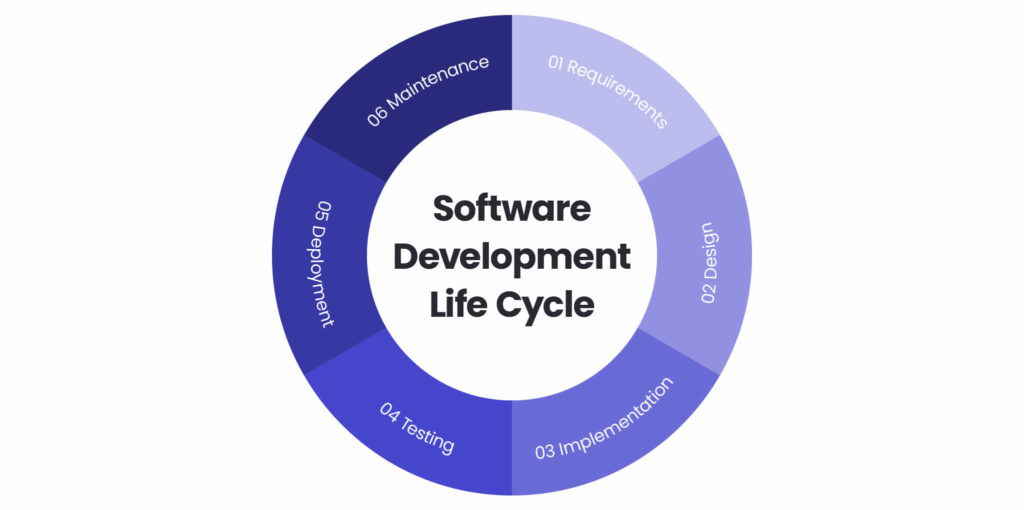
المتطلبات
Firstly the question “what has to be developed?” must be considered. The answer to this question must be transformed into a set of functional and non-functional requirements. After that, we need to consider what the software needs to meet the required functionality.
Additionally, it is crucial to integrate security considerations early in the requirements phase to identify and mitigate potential vulnerabilities, ensuring the software is developed with a focus on security and compliance.
التصميم
ثانياً، علينا تحويل متطلباتنا إلى تصميم تقني. نجمع معلومات مثل: بنية الحل والتقنية المستخدمة (الواجهة الأمامية، الواجهة الخلفية).
التنفيذ
Thirdly, the implementation phase comes. That means we are actually implementing (developing) our solution. We may use different process methods starting from waterfall to more modern, agile approaches.
الاختبار
هذه المرحلة مهمة. نركز الآن على الاختبارات (أي اختبارات الوحدة والتكامل والوظائف). من الضروري التحقق مما إذا كان حلنا يعمل وتحسين الفجوات.
النشر والصيانة
After the tests we deploy our solution on the target environment. Last but not least, we should maintain our solution, apply patches, add new functionalities if required, or any necessary changes.
ضمان الأمن السيبراني لمنتجك
اكتشف كيف يمكننا المساعدةدورة حياة تطوير البرمجيات الآمنة – ما هي مكوناتها؟
We know what SDLC is. Now it is time to add cyber security to it. Secure Software Development Lifecycle (SSDLC) is a set of cyber security measures applied to the development process to ensure that our software is checked to identify vulnerabilities across multiple phases.
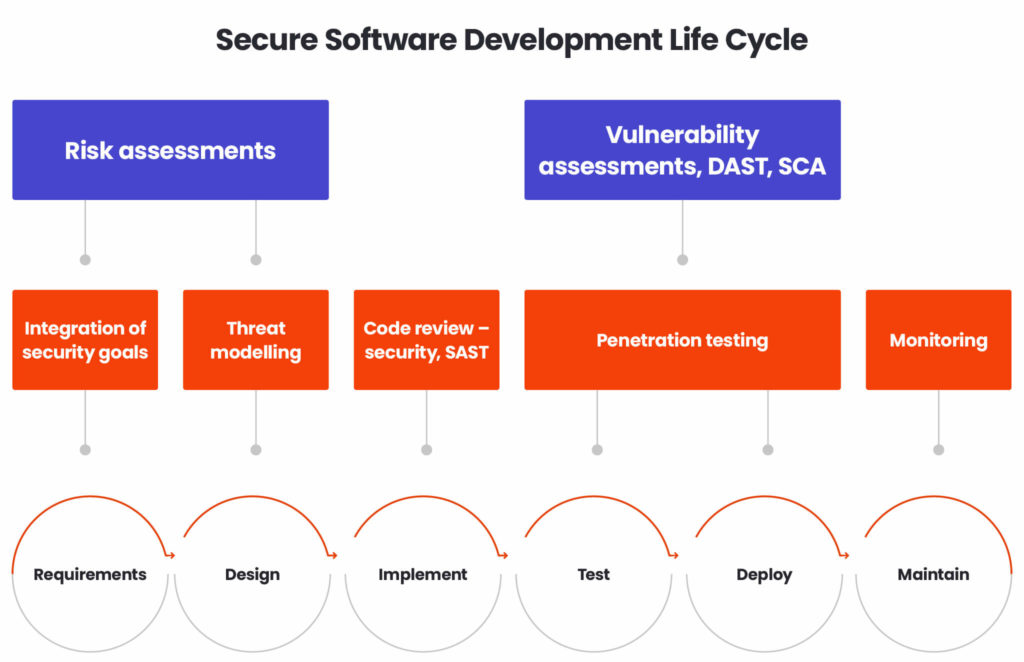
The ultimate goal of SSDLC is to identify vulnerabilities in the process following the “shift left” principle, which highlights that the sooner we identify them, the less costly the remediation will be.
دمج أهداف الأمن
First of all, we start with blending cyber security into SDLC. This part should not be skipped as this is the point where potential changes in our software may be cheap to implement. There may also be situations where cyber security should play a crucial role, considering the risk of a particular requirement. For example, when the customer wants anonymous access to the FTP server, which is not the best idea from the cybersecurity perspective – it may be a good idea to advise the client and check if there are potential solutions or workarounds to be implemented to mitigate the risk.
نمذجة التهديدات
بعد دمج أهداف الأمان، نحتاج إلى الاعتناء بـنمذجة التهديدات. This activity contains a set of actions to identify vulnerabilities before the start of the development work phase. During this phase, a security architect will assess our solution’s architecture, communication, components used, versions of modules etc. They will then map typical threats to check if there are actual vulnerabilities and where they may be and how they may be exploited by adversaries. Identifying and mitigating security risks throughout the software development process is crucial for protecting sensitive data and ensuring compliance with regulations.
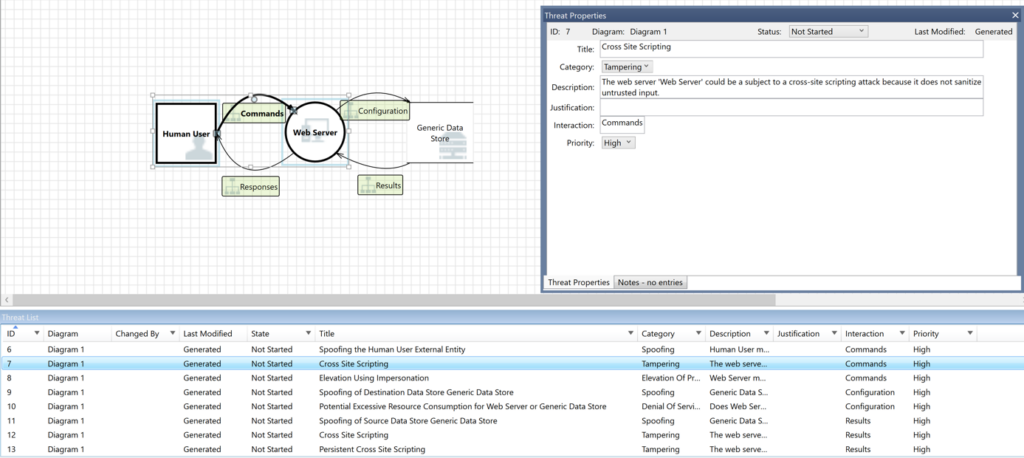
تقييمات المخاطر
When the threat modelling is done, we need to define what kind of risks may occur and propose some mitigations. Risk assessments may be qualitative. We assess them based on our expert knowledge, benchmarks, the criticality of assets and many more. Another option is to choose a quantitative risk analysis. To do that, we add monetary value to our key assets and calculate a risk score. The final product for both approaches is a risk register. It will contain all identified risks, a risk score, mitigation techniques and other recommendations for the cyber security team.
مراجعة الكود، واختبار أمان التطبيقات الساكن (SAST)
The development phase is ongoing. Therefore, we need more hands. The goal of this work is to blend the security requirements into the development process. Development teams play a crucial role in integrating security practices during this phase. The most common testing methodologies are Static Application Security Testing (SAST) and code review.
SAST is usually embedded into the Software Development Toolkit (SDK) and is used to test the security flaws in the source code during development. They should be reviewed in the same way as the code itself by a skilled security analyst who can interpret the results and understand the wider picture of more complex vulnerabilities.
تقييمات الثغرات الأمنية
أخيرًا، منتجنا جاهز ومُنفَّذ في بيئة التطوير. حان الوقت لاختباره. هناك الكثير من الاختبارات التي يمكن تطبيقها هنا والتي تمت تغطيتها في قسم SDLC.
We should not forget about cyber security here as well. Now, we should further explore if there are vulnerabilities in our ‘almost final’ product. We may use tools which will automatically check if there are any vulnerabilities. For example, in Web applications, we provide login and password and the tool will login and automatically check if there are any typical vulnerabilities in forms, input fields etc.
Nowadays software contains lots of open source components. For small development activities, it may be manageable to identify and check what kind of open source components we use. For larger and enterprise-wide projects it may be a really tough nut to crack. The activity to identify if there are any open source components in our software is called Software Composition Analysis (SCA).
Fortunately, there are tools which support the identification of open source modules and vulnerabilities identification. Additionally, they provide information about licenses required for every single component. After that, the results are presented to an analyst as a Bill of Materials (BOM) and they may be reviewed and be a good input to support the decision if a specific component should be removed, changed or accepted.
اختبار الاختراق
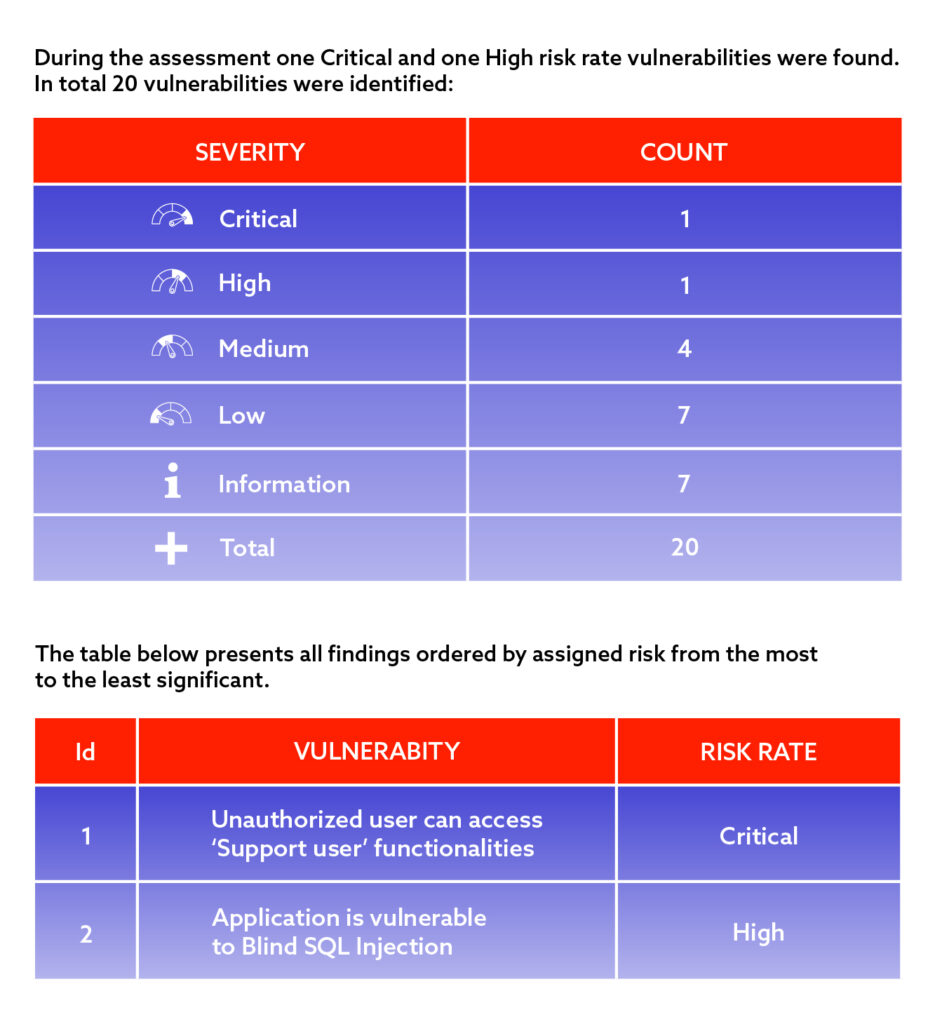
هذه هي الكرزة على قمة SSDLC. اختبار الاختراق هو مجموعة من الأنشطة التي يقوم بهامختبر اختراق. The ultimate goal of their activity is to mimic real hacker activities to identify and exploit vulnerabilities in our software. Penetration testing is a structured activity and considering the tight time frame of typical engagement, we may expect that pentesters will follow some of the most popular frameworks such as OWASP to identify the most common vulnerabilities (low hanging fruits). The result of the pentesting activity is a comprehensive report which contains all findings with evidence and proposed mitigation.
المراقبة
Organisations should keep in mind that handing over the product is not the end of the process. Some form of monitoring should be in place. It’s good to ensure that pentesters check the software regularly, especially when new functionalities are introduced. It then should fall under the vulnerability management process to deal with identified vulnerabilities and patch management as well to handle the patching process. Secure development is in opposition to the “deploy and forget” approach and we should use this approach, especially when new vulnerabilities for existing components are identified every day.
الأمن السيبراني – لماذا هو مهم؟
One of the key cybersecurity principles is “cybersecurity is as strong as the weakest link in the chain”. This quote perfectly fits the SDLC approach, because the nature of the process, with many phases, complexity and often strong time pressures, introduces the risk of omitting some key cyber activities which later may be a big issue for the organisation which develops software. Blending cybersecurity into SDLC is more crucial than ever nowadays and organisations should consider implementing if not all, at least some parts of the process to protect code repositories and develop secure software.
تواصل معنا باستخدام النموذج أدناه لمعرفة كيف يمكنك تحسين الأمن السيبراني في مؤسستك.
الأسئلة الشائعة
SSDLC, or Secure Software Development Lifecycle, integrates security activities into every stage of development. Unlike traditional lifecycles where security checks often appear late in the process, SSDLC embeds risk analysis, verification, and secure coding practices from the outset.
As systems become more complex and threats more advanced, relying on end-stage testing is no longer enough. A security-focused lifecycle reduces vulnerabilities early, limits remediation costs, and ensures software is resilient before deployment.
Teams define requirements, assess risks, design with security principles in mind, develop using secure coding standards, test for vulnerabilities, and monitor behaviour in production. Each stage contributes to maintaining a robust security posture.
Identifying weaknesses during design or development prevents costly rework and avoids introducing exploitable faults into later stages. It also strengthens reliability, performance and the long-term maintainability of the system.
Common issues include limited security expertise, inconsistent processes across teams, legacy tooling and pressure to release features quickly. Balancing speed with thorough protection often requires cultural changes and clear governance.
They can invest in secure coding training, threat-modelling workshops and regular hands-on practice with vulnerability detection tools. According to Spyrosoft, close cooperation between engineers, architects and security specialists plays a major role in successful adoption.
Static and dynamic analysis tools, dependency scanners, container security platforms and automated test suites help teams spot vulnerabilities and enforce secure configurations. Integrating these tools into CI/CD pipelines strengthens consistency across releases.
They can track vulnerability trends, remediation times, audit findings and production incident counts. A mature implementation shows fewer critical issues, smoother release cycles and improved confidence in the overall security of the software.


arrow_circle_rightاتصل بنا
تواصل معنا واحجز استشارة مجانية

Tomasz Wojciechowski
رئيس قسم الأمن السيبراني
arrow_circle_right مقالات أخرى